
Solliden Palace
Summer residence of the royal family
Solliden Palace near Borgholm is the Swedish royal family's summer residence, the palace stays private, but its Italian and English gardens open all summer.
Contents
Solliden Palace (Sollidens slott) has been the summer residence of the Swedish royal family since 1906. Queen Victoria, who cherished Öland's mild climate, had the white Italian-style villa built. The palace itself stays private, the draw for visitors is the sprawling park, which is open right through the summer.
Palace and park
Queen Victoria of Sweden, born a princess of Baden, was often unwell and sought out Öland's sunny, dry climate. The villa, built to her own designs, recalls the Italian country houses she loved. The royal family still spends its summers here today, which is why the residence itself is not open to the public.
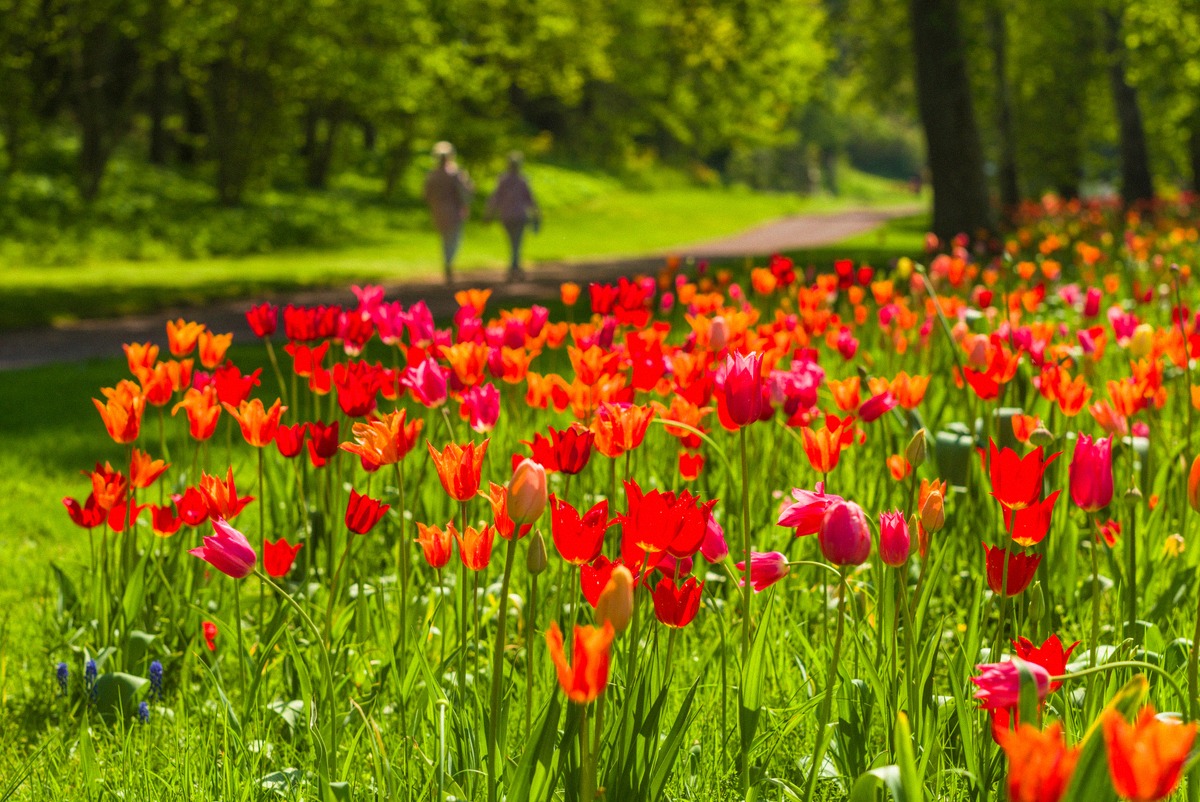
What is open, however, are the three gardens surrounding the palace: a strictly geometric Italian garden, a soft, romantic English park, and a lush kitchen garden with vegetables and summer flowers. A walk around the park alone takes about 45 to 60 minutes.
What to expect
- The three gardens as the main attraction - Italian, English and the kitchen garden
- A changing exhibition, included in the park ticket
- Café and restaurant Kaffetorpet, with its own opening hours (10:00-18:00 in high summer, kitchen closes 30 minutes earlier)
- The palace shop, where tickets are also sold
Food at the café and purchases in the shop are paid separately. The park ticket covers the park and the exhibition; there are no separate partial tickets.
Best time and crowds
The 2026 season runs from 7 May to 27 September. The busiest day is traditionally 14 July, the birthday of Crown Princess Victoria, celebrated here as Victoriadagen, expect noticeably larger crowds that day. On 26 July there's a vintage car show with extended hours from 10:00 to 18:00. If you prefer it quieter, come at opening in the morning or on a weekday outside the high-summer weeks.
Getting there and practical info
Solliden lies just a few minutes south of Borgholm and pairs well with the neighbouring castle ruin, footpaths through the castle woods link both to the town centre.
- Parking: A large car park takes cars, coaches and motorhomes. The fee is paid via app (Easypark or Parkster). From the car park, a paved, slightly steep path leads to the entrance.
- Accessibility: The park can be fully navigated by wheelchair, walker and pushchair via ramps (gravel paths). The pavilion, shop, exhibition and restaurant are wheelchair-accessible, and there are two accessible toilets.
- Dogs: welcome in the park on a lead.
- Duration: 45 to 60 minutes is enough for a walk around the park alone; with the exhibition, café and shop, plan on around two hours.
- Tickets: bought on site at the palace shop, no need to book online.
Is it worth a visit?
If you enjoy gardens and the island's mild climate, Solliden makes for a relaxed, well-tended half-day, the contrast between the formal Italian garden and the wild English park is the real strength. You only see the palace building from the outside, so set your expectations accordingly. Combined with Borgholm Castle and a stroll through Borgholm, it adds up to a full day around the island's capital. Find more destinations in our overview of Öland's attractions.
Frequently asked questions
How much does admission to Solliden Palace cost? +
When is the palace park open? +
Can you visit the palace building itself? +
Is the park accessible? +
How do I get to Solliden Palace? +
Nearby
Borgholm Castle
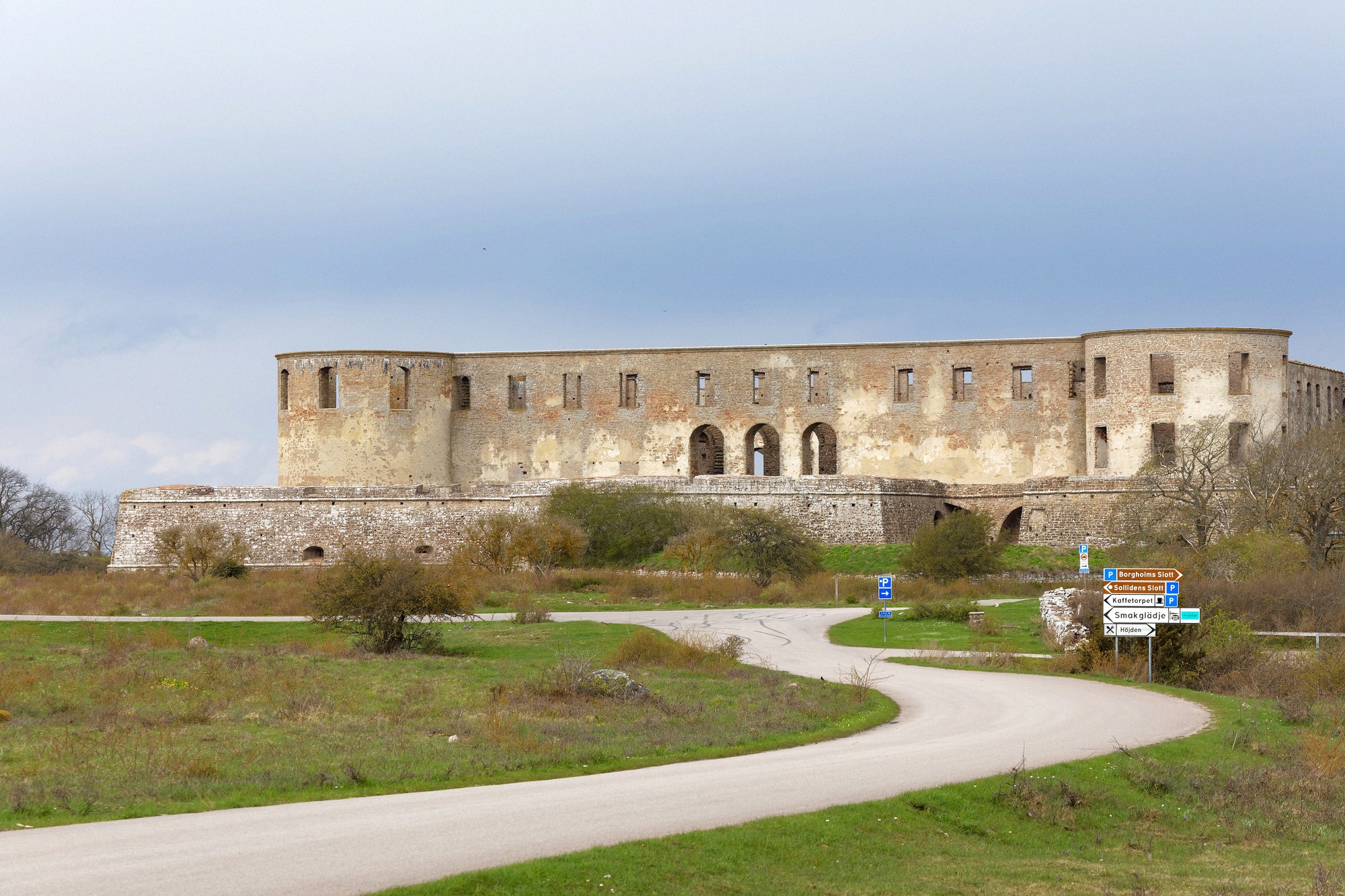
The mighty ruin above Borgholm is considered Scandinavia's most impressive castle ruin and Öland's best-known landmark, with concerts, exhibitions and sweeping views.
Vida Museum
The Vida Museum & Konsthall near Borgholm is Öland's foremost art venue, devoted to the glass art of Ulrica Hydman-Vallien and Bertil Vallien.
Lerkaka Windmills
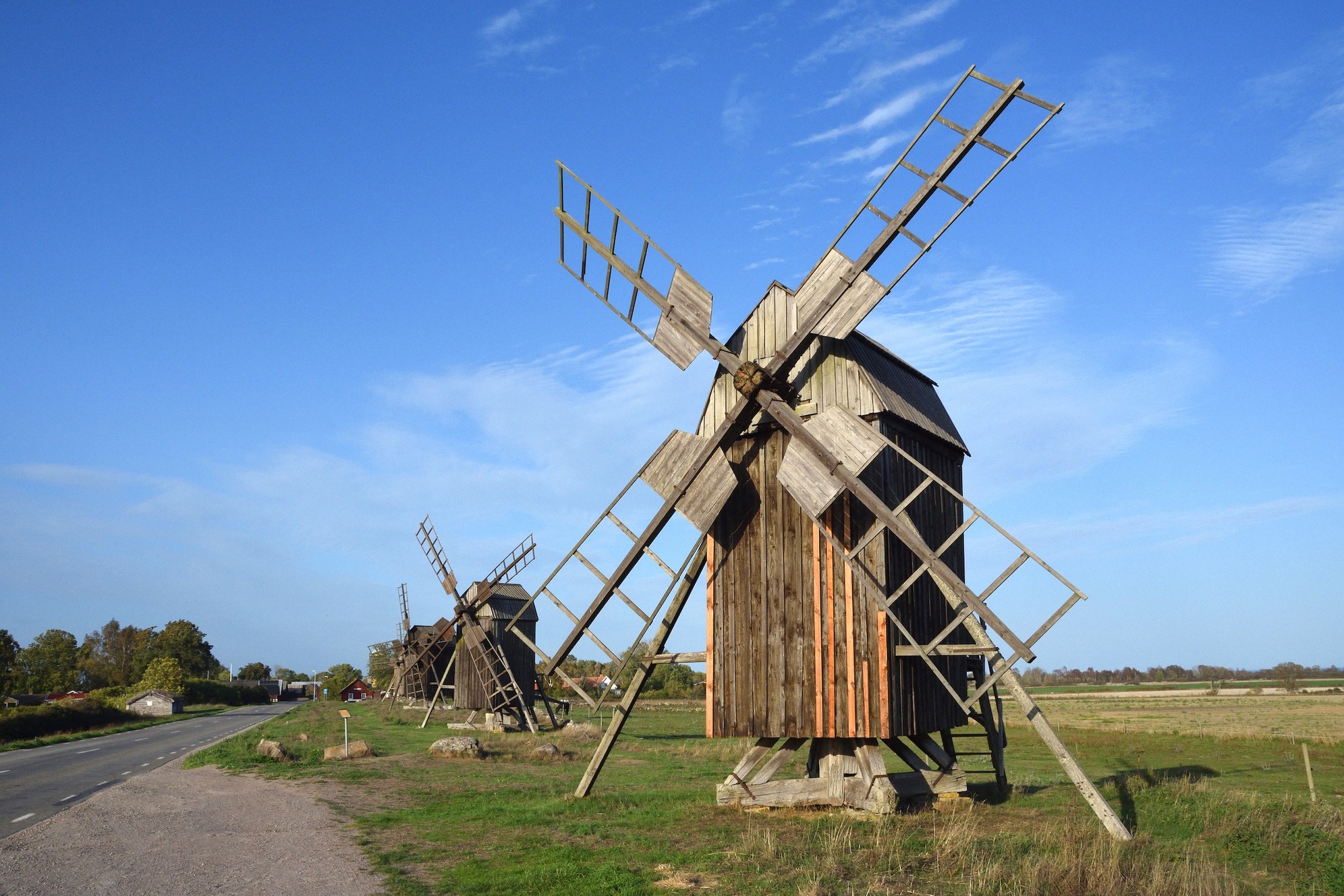
The Lerkaka kvarnrad on road 925 lines up five historic post mills, one of Öland's finest and best-preserved windmill rows.
Himmelsberga
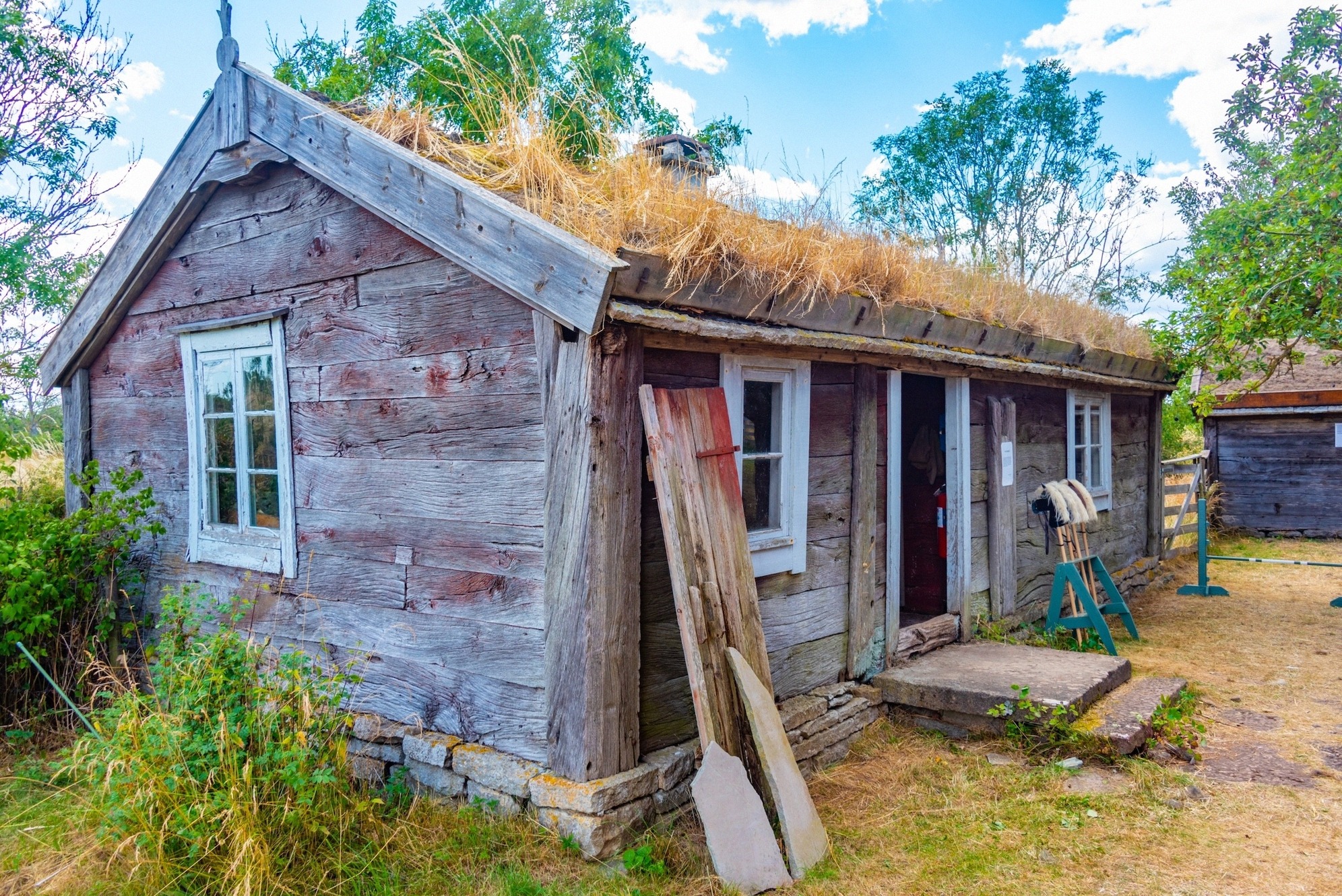
Himmelsberga, the island's museum of cultural history, preserves an old farming village with farmsteads, cottage rooms and tools from the 18th and 19th centuries.