Lerkaka Windmills
A row of post mills in eastern Öland
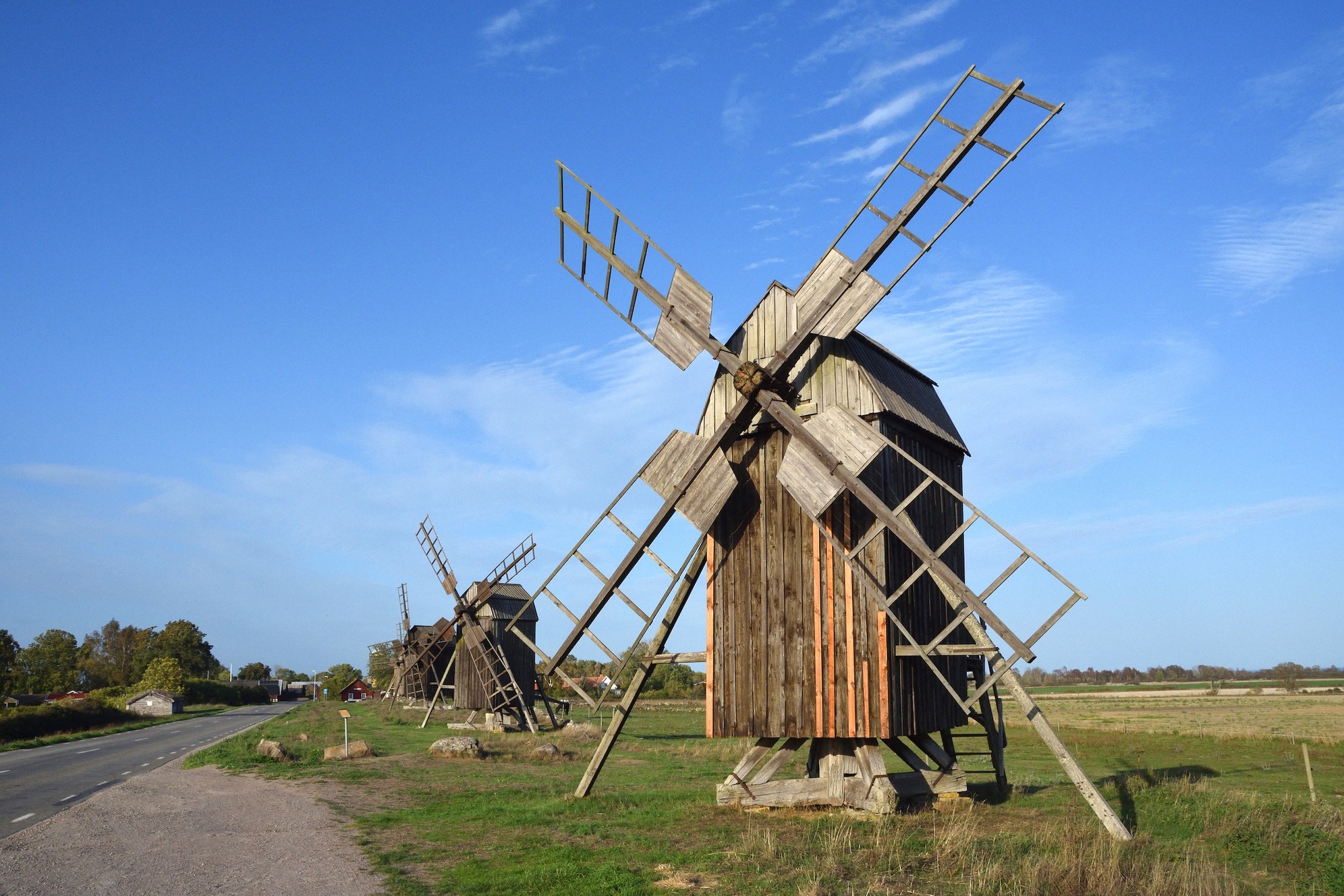
The Lerkaka kvarnrad on road 925 lines up five historic post mills, one of Öland's finest and best-preserved windmill rows.
Contents
Near Lerkaka in eastern Öland, five historic post mills (stubbkvarnar) with hip-shaped roofs stand in a row along road 925. The ensemble is considered one of the finest and best-preserved windmill rows on the island, a classic photo stop that pairs well with the rune stone opposite and the nearby open-air museum for a short round trip.
Symbol of the "Island of Windmills"
At their peak in the mid-19th century, around 2,000 windmills turned on Öland, almost every farm wanted one of its own. Earlier surveys counted 375 mills (1699) and 1,677 mills (1808); the most recent count by the Öland Windmill Association (founded in 2008) found 351 still standing. The wooden post mill rests, with its whole mill house, on a tree-stump post and is turned to face the wind. The Lerkaka mills probably date from the late 18th or early 19th century and today stand as monuments to Öland's earlier grain farming.
What to expect
The five mills line up impressively along the country road. One of them is a show mill, always open to enter, a chance to see up close how a post mill works. The other four are viewed from outside.
The ensemble includes more than just the row of mills:
- Limestone cellar (jordkällare), a traditional earth cellar built from Öland's local limestone.
- Flax-drying kiln (linbastu) - Öland's only surviving kiln for drying flax, built in timber and limestone.
- Village smithy (bysmedja), the old smithy, now the summer café Smedjan.
The windmill row was probably built on a prehistoric burial ground, of which five stone settings survive today. Directly opposite stands the roughly two-metre-tall 11th-century Lerkaka rune stone (Öl 37), about 215 cm tall, 160 cm wide and 20 cm thick.
Visiting & practical info
- Getting there & parking: Lerkaka lies in eastern Öland on road 925. The site has a Trafikverket rest area with a car park, tourist information and picnic furniture; the site is considered easily accessible. More in our getting there guide.
- Admission: free and accessible year-round, with no fixed opening hours. Visits are self-guided.
- Café & toilet: the café in the former village smithy and the rest area's accessible toilet only open in summer.
- Duration: 20 to 30 minutes is enough for the windmill row, the show mill and the rune stone opposite.
- Best time: for photos, the low morning or evening light works best. See our overview of the best time to visit for seasonal notes.
Is it worth a visit?
Lerkaka is one of Öland's most-visited rest areas and a classic photo stop - more of a tourist magnet than a quiet corner. For a short, worthwhile stop on a drive through eastern Öland, the windmill row is ideal, especially since the show mill, rune stone and café combine well in a small space.
Nearby
About two kilometres away lies the open-air museum Öland Museum Himmelsberga, the mills, rune stone and Himmelsberga together make for a very manageable short route. Anyone wanting to learn more about the island's mills will find background in the guide to Öland's windmills. A second, larger windmill setting in the middle of a burial ground can be found at Gettlinge Burial Ground in the south of the island.
Frequently asked questions
Is there an admission charge for the Lerkaka windmills? +
Can you see inside one of the mills? +
How long should I plan for a visit to Lerkaka? +
What else is there to see around the mills? +
Nearby
Himmelsberga
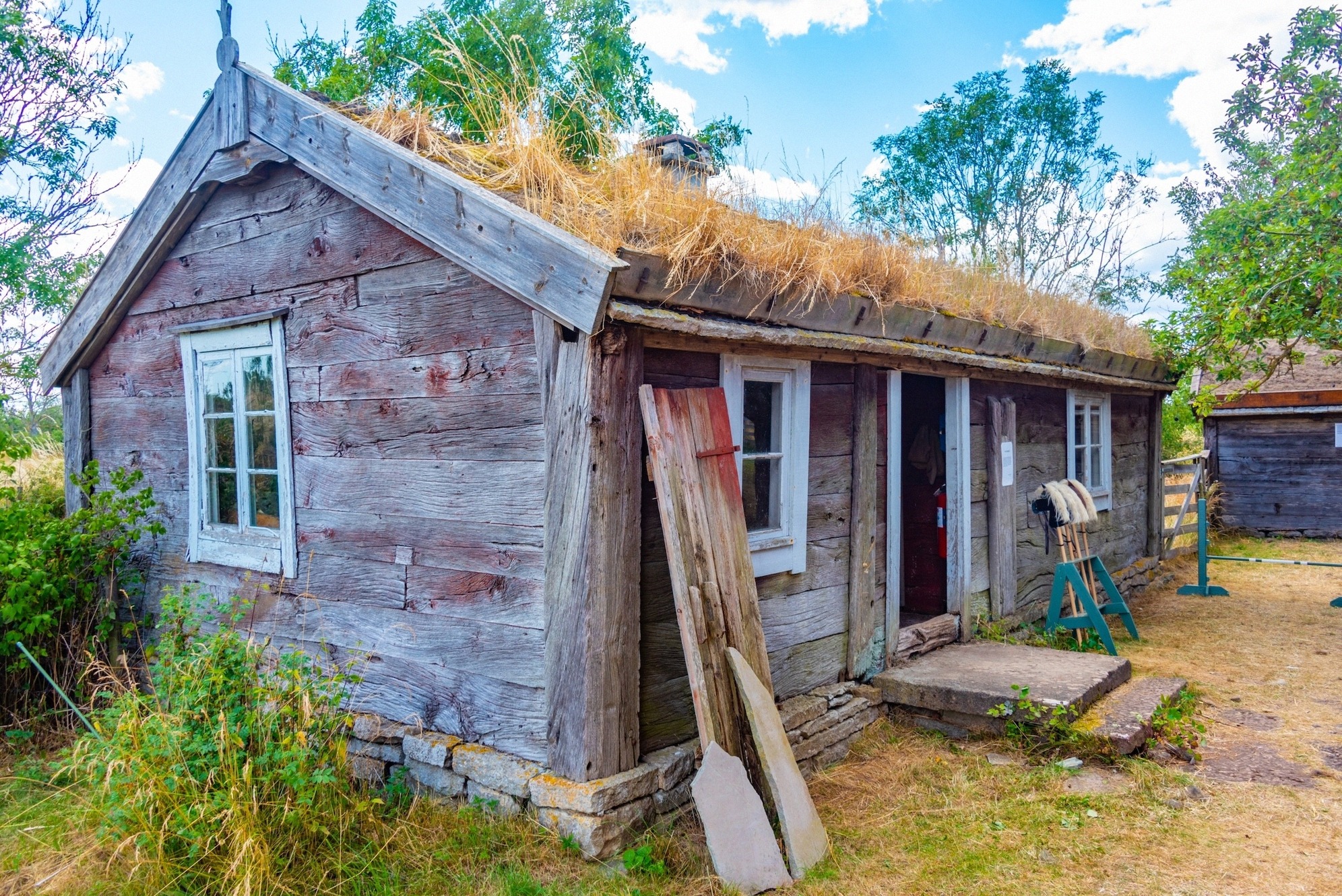
Himmelsberga, the island's museum of cultural history, preserves an old farming village with farmsteads, cottage rooms and tools from the 18th and 19th centuries.
Vida Museum
The Vida Museum & Konsthall near Borgholm is Öland's foremost art venue, devoted to the glass art of Ulrica Hydman-Vallien and Bertil Vallien.
Ölands Djurpark
Ölands Djur- och Nöjespark near Färjestaden is the island's biggest family destination, a zoo with safari, rides and one of Sweden's largest water parks.
Solliden Palace
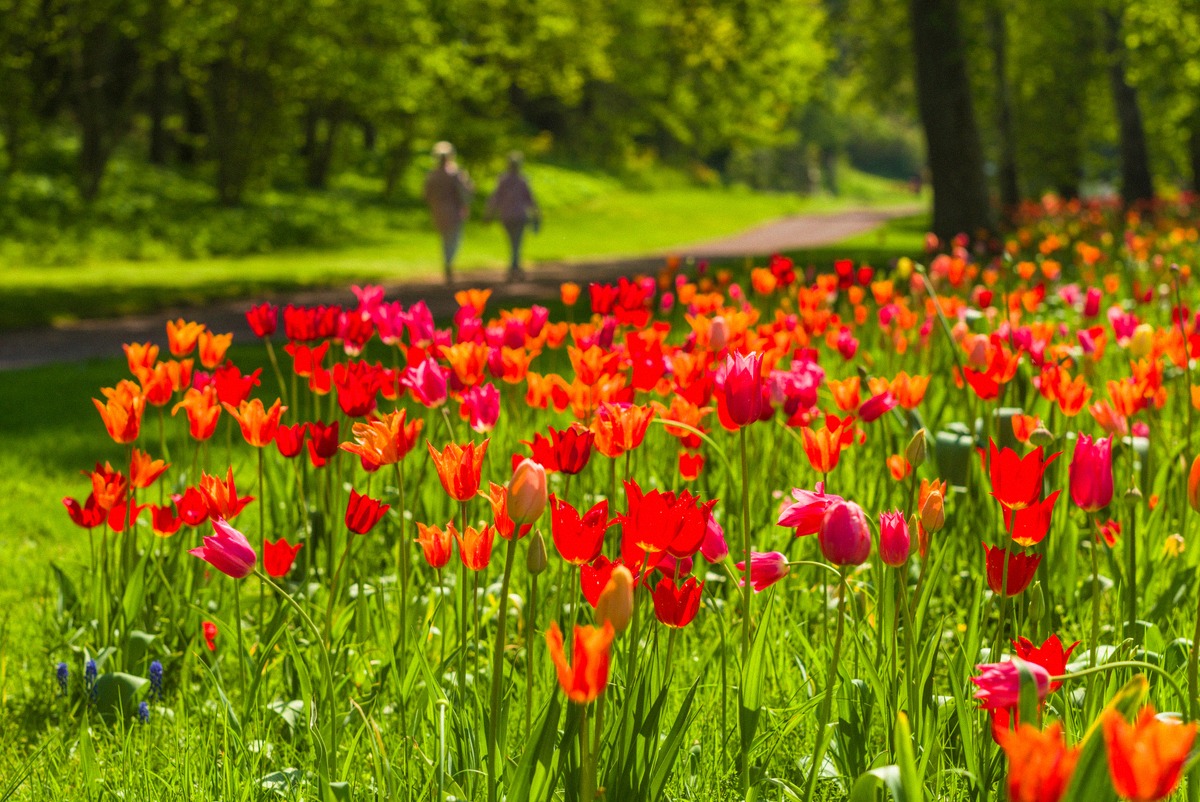
Solliden Palace near Borgholm is the Swedish royal family's summer residence, the palace stays private, but its Italian and English gardens open all summer.
Stora Alvaret
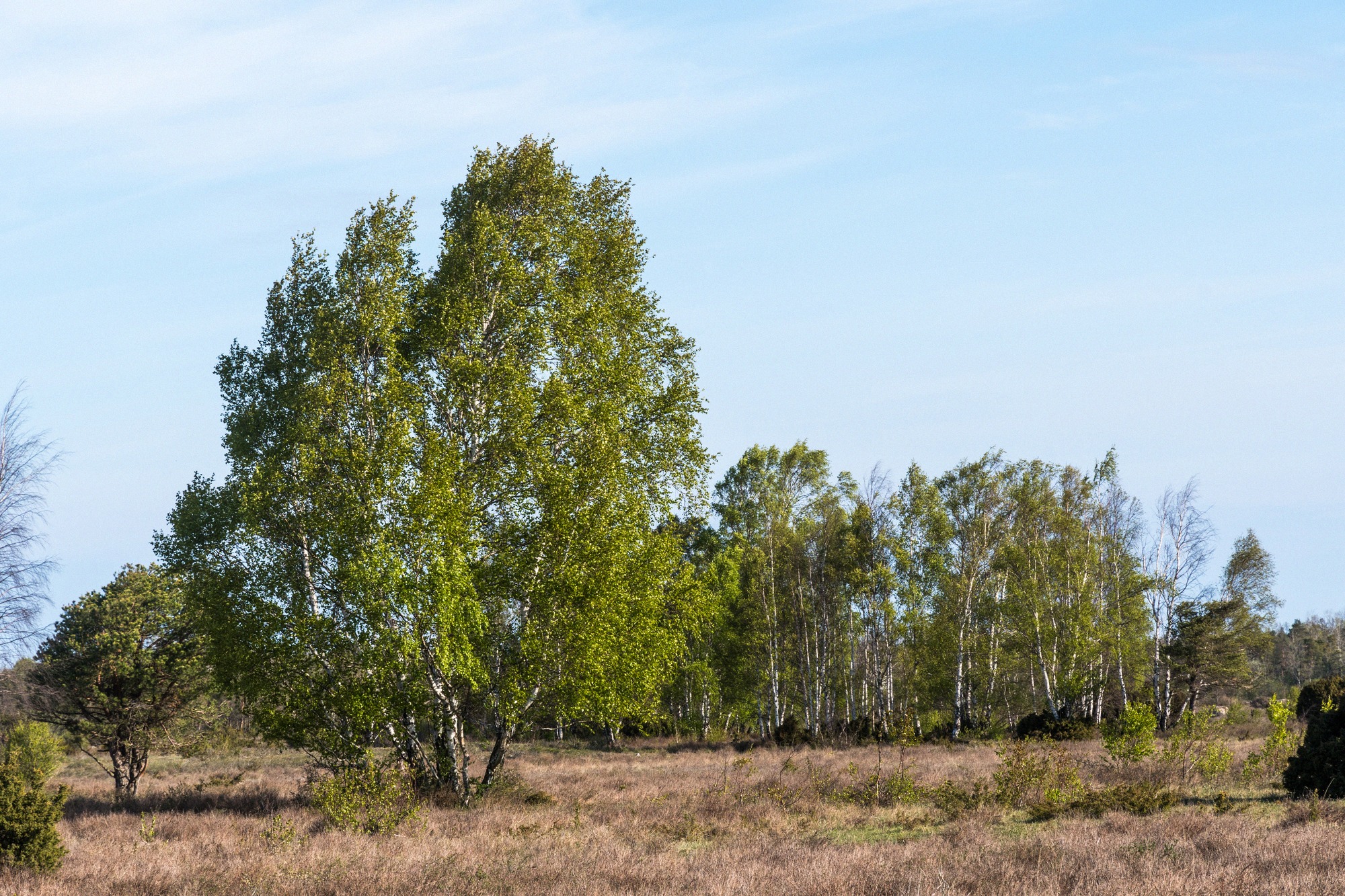
The treeless limestone steppe in southern Öland, around 260 km² and a UNESCO World Heritage site. Over 35 orchid species, rare endemics and one of the island's best birding areas.
Borgholm Castle
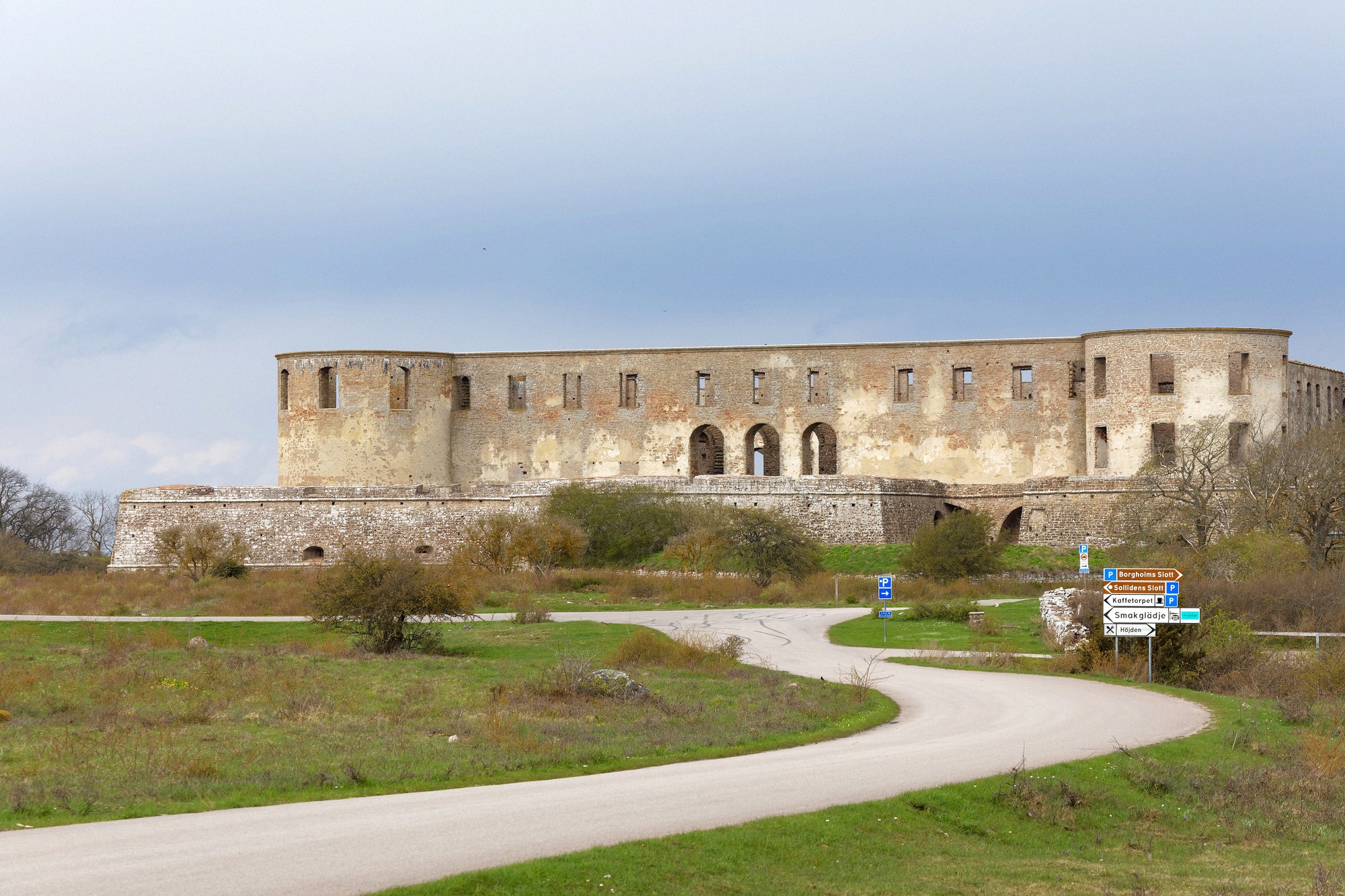
The mighty ruin above Borgholm is considered Scandinavia's most impressive castle ruin and Öland's best-known landmark, with concerts, exhibitions and sweeping views.