Stora Alvaret
Öland's limestone steppe, a UNESCO World Heritage site
The treeless limestone steppe in southern Öland, around 260 km² and a UNESCO World Heritage site. Over 35 orchid species, rare endemics and one of the island's best birding areas.
Contents
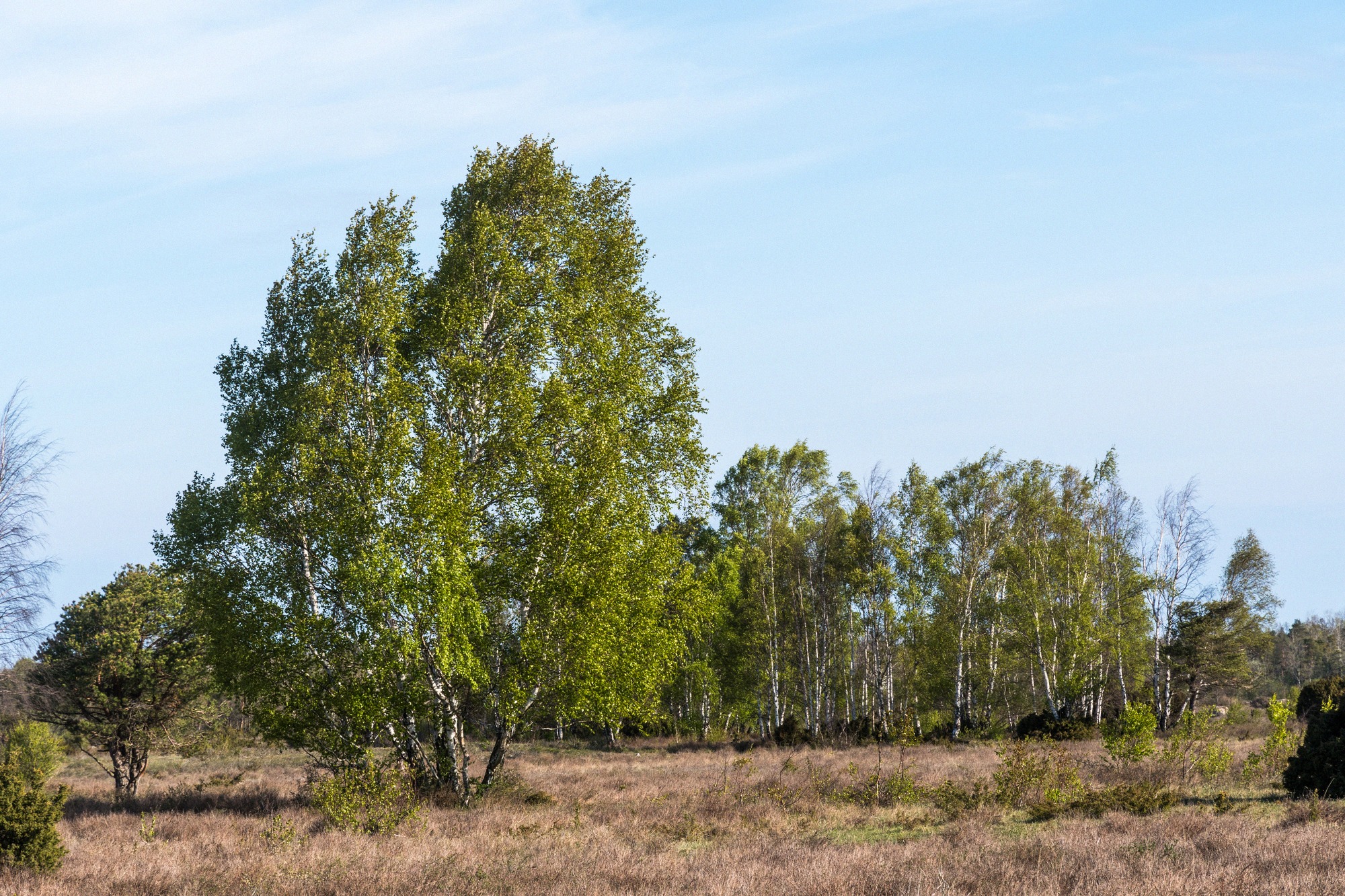
Stora Alvaret (the Great Alvar) defines the whole of southern Öland: a treeless limestone steppe of around 260 km² on thin soil over solid limestone bedrock. It covers roughly a quarter of the island and has been part of the UNESCO World Heritage Site "Agricultural Landscape of Southern Öland" since 2000. There is no comparably large, continuous alvar landscape anywhere else in Europe.
A landscape like no other
The alvar is steppe on the thinnest of ground, in places the limestone lies bare on the surface, elsewhere the soil is just deep enough for low grasses and herbs. This sparse diversity is no accident but the result of thousands of years of grazing: without sheep and cattle, the alvar would scrub over. It's precisely this continued grazing tradition that led UNESCO to inscribe the landscape as a living cultural heritage site.
Botanically, Stora Alvaret is one of the richest areas in Sweden: over 400 species of vascular plants have been recorded here, including endemics found almost nowhere else
- the Öland rockrose (Ölandssolvända) and alvar wormwood (alvar malört). In early summer, carpets of wildflowers spread across the wide plain.
Orchids and wildflowers
The biggest draw for nature lovers is the orchids: over 35 species grow on the alvar. On the Gynge Alvar, early purple and western marsh orchid dominate in May and June, alongside the rare dark-red helleborine. The main flowering season runs from late April to June - May and June are the best time to see the display at its peak.
Birds at Möckelmossen
The alvar is also a rewarding birding area. Characteristic species of the open steppe include European golden plover (known locally as "alvargrimman"), northern wheatear, whinchat, linnet and skylark. Around the wetland of Möckelmossen, the largest on the alvar, you'll also find black-headed gull, ringed plover, redshank, curlew, hen harrier, whooper swan and black tern. The Gynge/Möckelmossen reserve has existed since 1968, covers 922 hectares and is a Natura 2000 site. In autumn, thousands of cranes stop here to rest. Anyone planning a dedicated birdwatching trip will find more tips in the birdwatching guide.
Hiking the World Heritage site
Öland's tourist office marks out several trails across the alvar, only distances are given, not official walking times:
- Gösslunda-Tingstad - 3.5 km
- Miller-stone Trail - 7.2 km
- Bårby-Källa - 1.8 km or 6 km
- Penåsa-Tingstad - 5 km
- Ancient Castle Round - 19.6 km (the long loop)
- World Heritage cycle route - 51.5 km, for a longer trip by bike
Allow half a day for a loop starting at Möckelmossen. Sturdy shoes and something windproof are worth packing: there is almost no shade anywhere on the alvar.
Visiting: the practicalities
- Access: Open and free year-round, with no fixed hours. Keep to the marked trails, don't pick plants, and avoid disturbing wildlife.
- Parking & facilities: There's a free car park at Möckelmossen, along with an information point and toilets. Access is via the Resmo-Stenåsa road (GPS 56.52804, 16.51992). There is no visitor centre or café directly on the alvar.
- Duration: Half a day is enough for a loop combined with wildflower- or birdwatching.
- Best time: May and June for orchids and wildflowers, spring and autumn for bird migration.
In the area
Stora Alvaret lies at the heart of southern Öland and combines well with the other highlights of the island's southern half: the reconstructed ring fort Eketorp, the large Iron Age burial ground at Gettlinge, and, at the southern tip, the bird reserve of Ottenby with the Långe Jan lighthouse. The nearest larger town is Mörbylånga. For an overview of the island's natural landscapes, see the Nature guide, and for trail and gear tips, the Hiking guide. To find the best time for your visit, check the best time to visit guide.
Frequently asked questions
Is there an admission fee for Stora Alvaret? +
When is the best time to visit? +
Which walking trails cross the alvar? +
What makes Stora Alvaret so special? +
Where can I park at Stora Alvaret, and are there toilets? +
Nearby
Ölands Djurpark
Ölands Djur- och Nöjespark near Färjestaden is the island's biggest family destination, a zoo with safari, rides and one of Sweden's largest water parks.
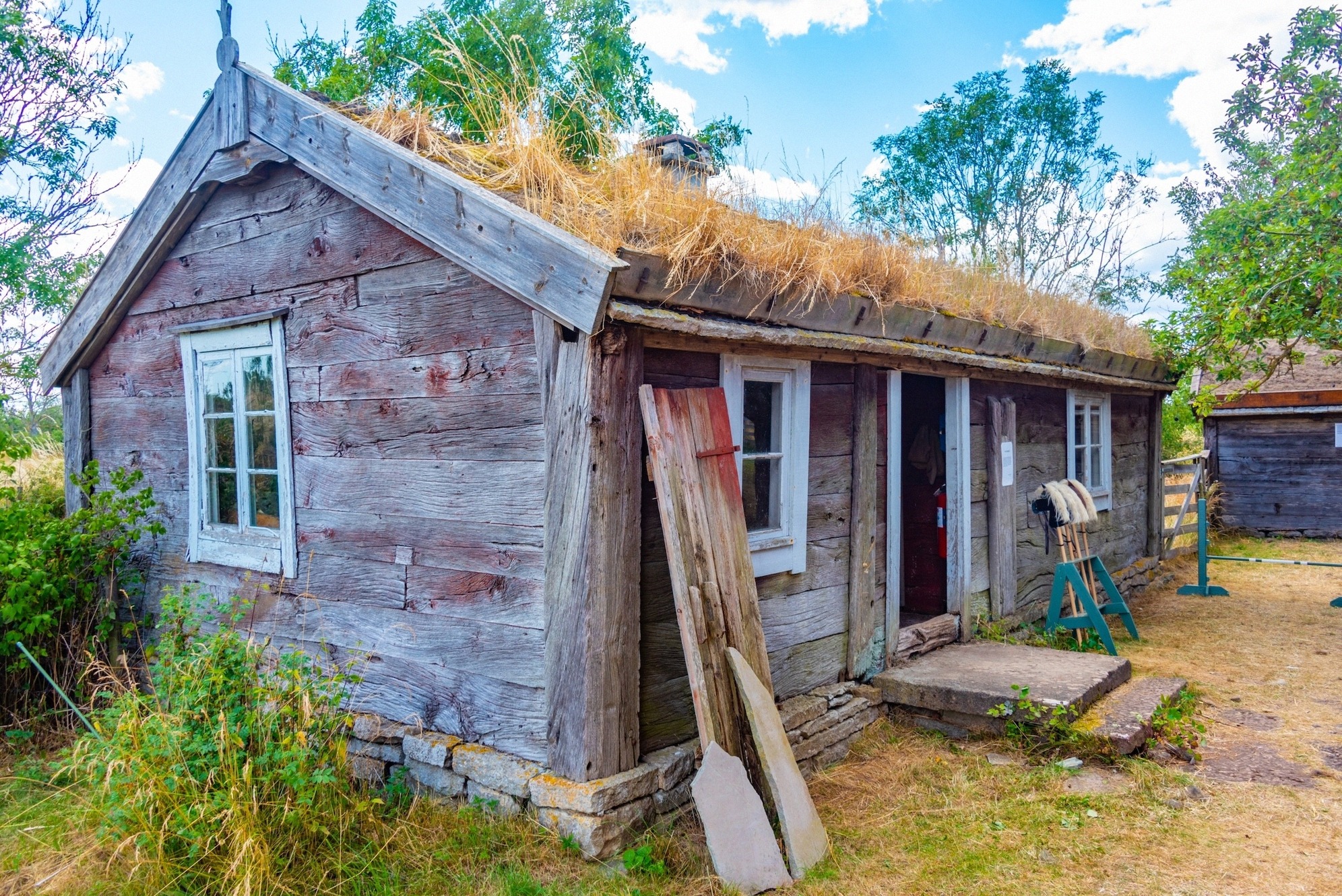
Himmelsberga
Himmelsberga, the island's museum of cultural history, preserves an old farming village with farmsteads, cottage rooms and tools from the 18th and 19th centuries.
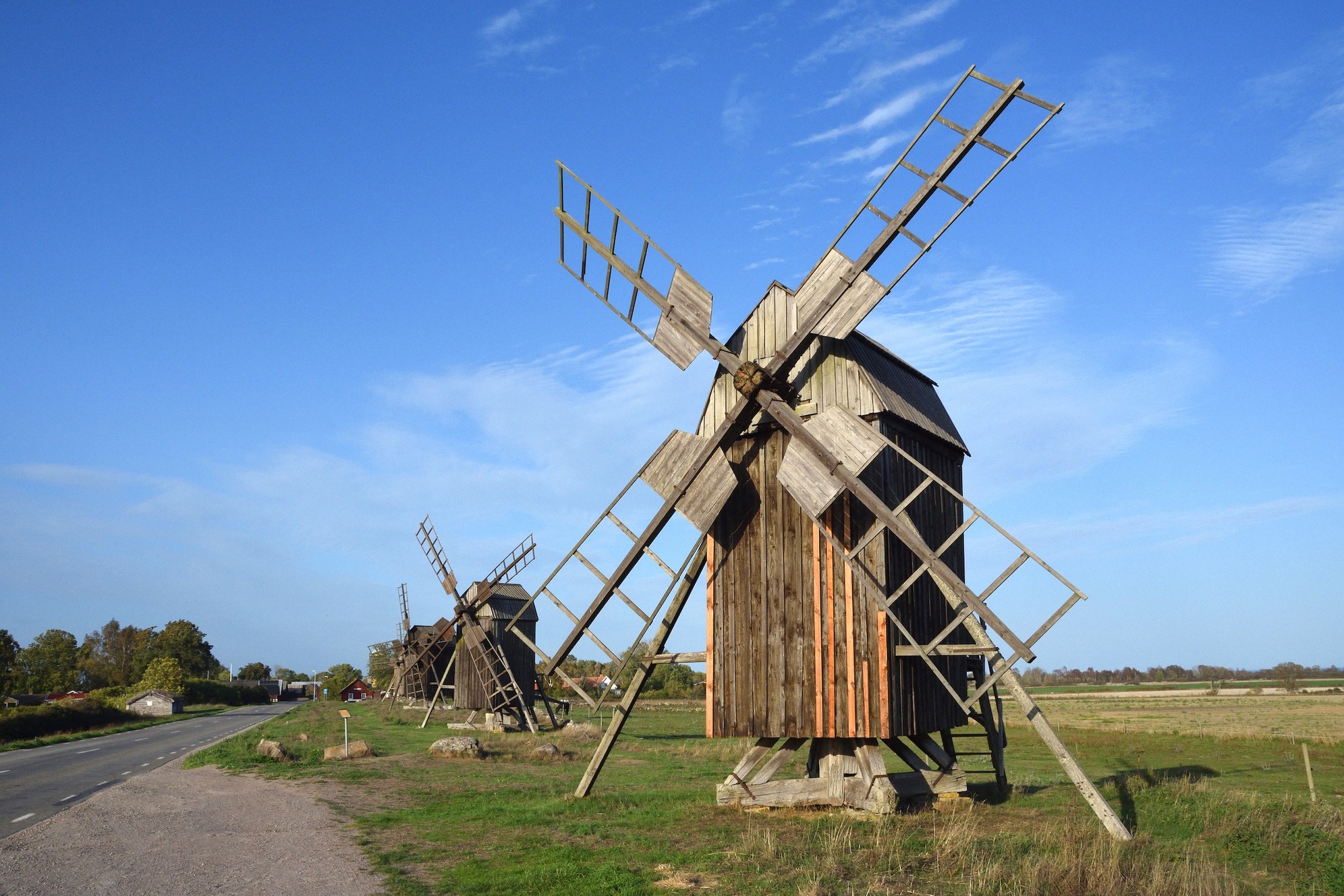
Lerkaka Windmills
The Lerkaka kvarnrad on road 925 lines up five historic post mills, one of Öland's finest and best-preserved windmill rows.
Gettlinge Burial Ground
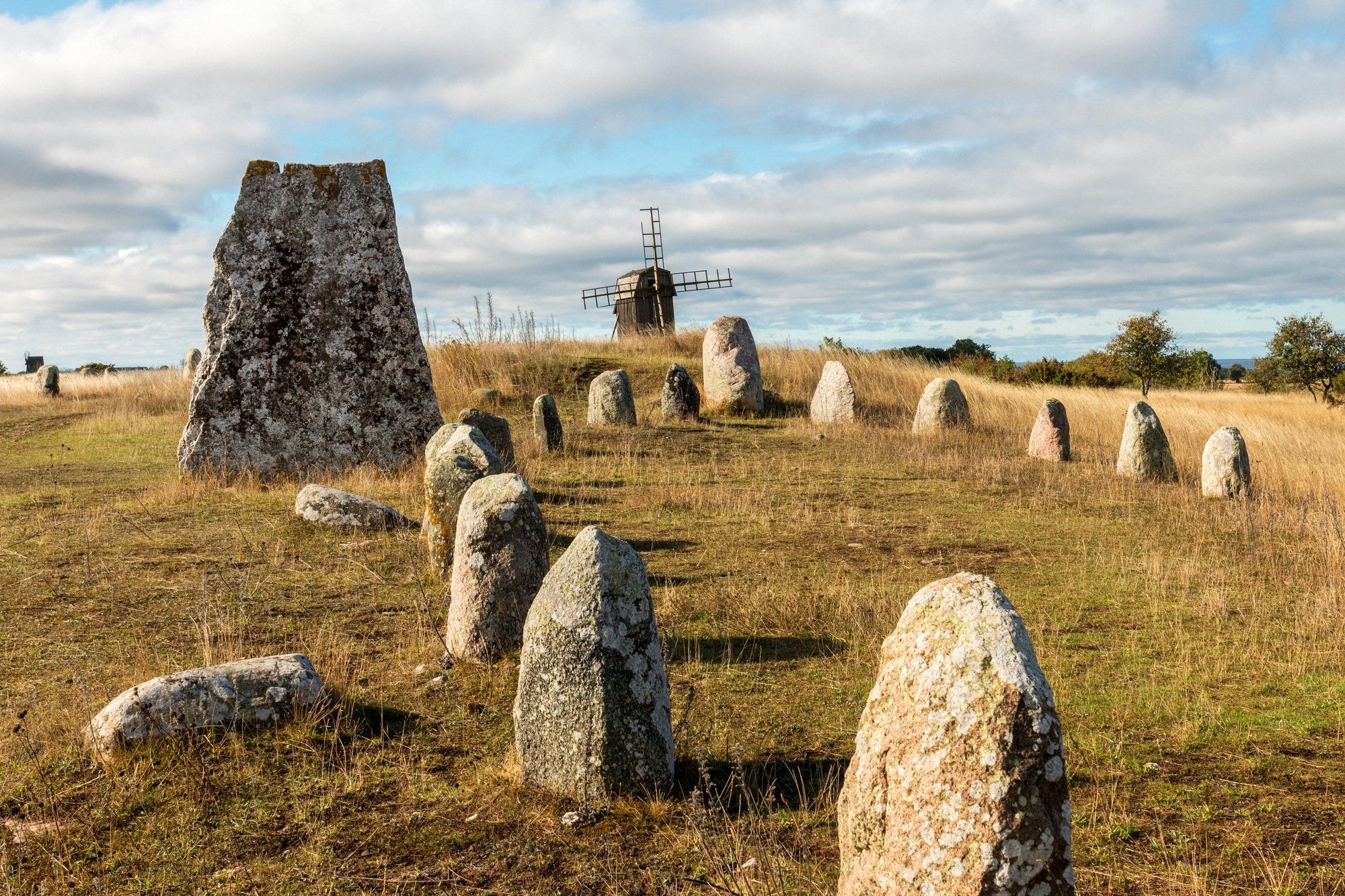
One of Öland's largest burial grounds, over 300 graves, a 30-metre stone ship setting and a post mill on the escarpment above the Kalmar Sound.