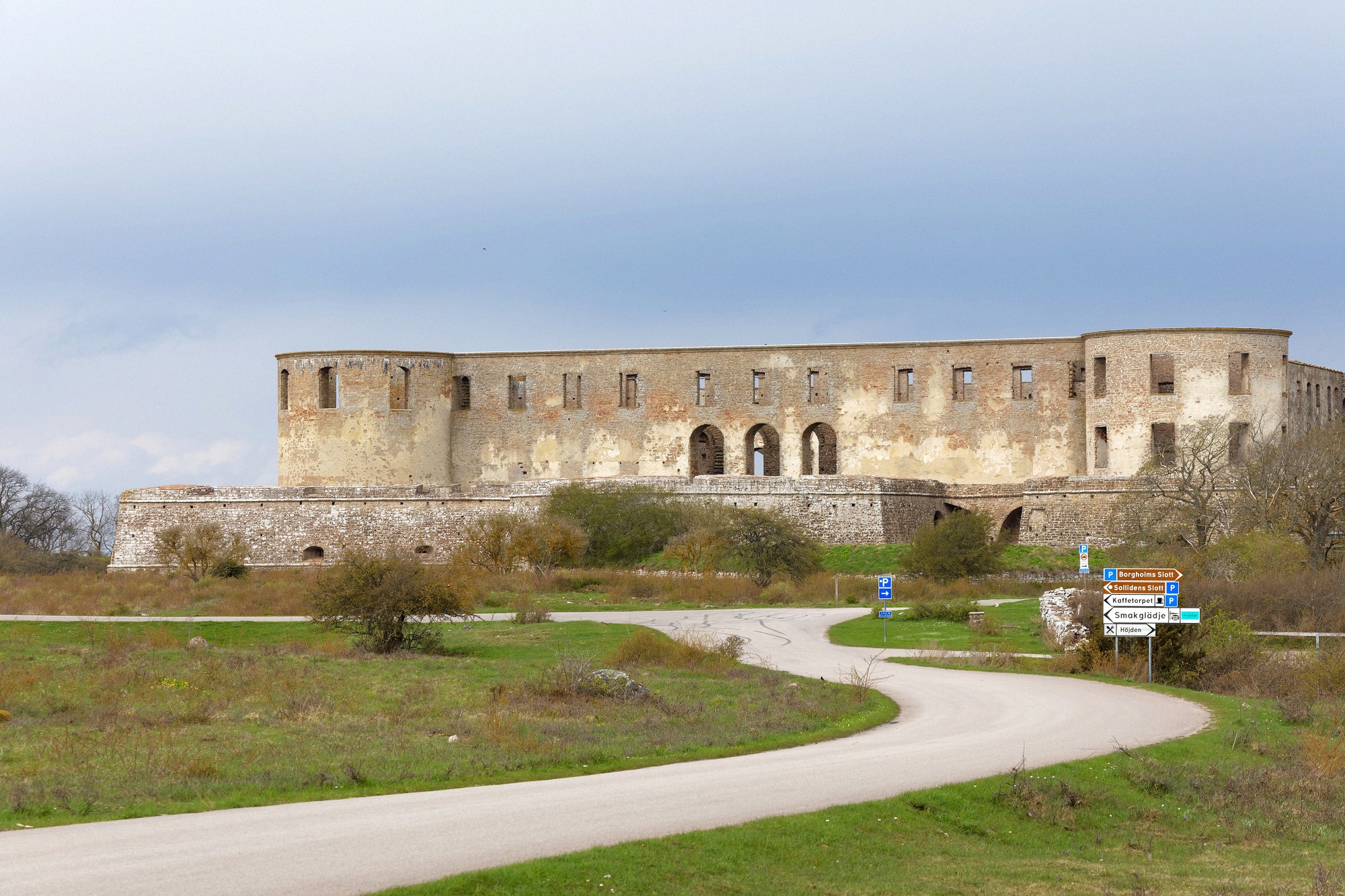
Borgholm Castle
Scandinavia's most impressive castle ruin
Overview
Castle ruin, royal garden, ring fort, lighthouses and windmills - Öland's major attractions at a glance, with prices in SEK, opening seasons and tips for combining visits.
Scandinavia's most impressive castle ruin
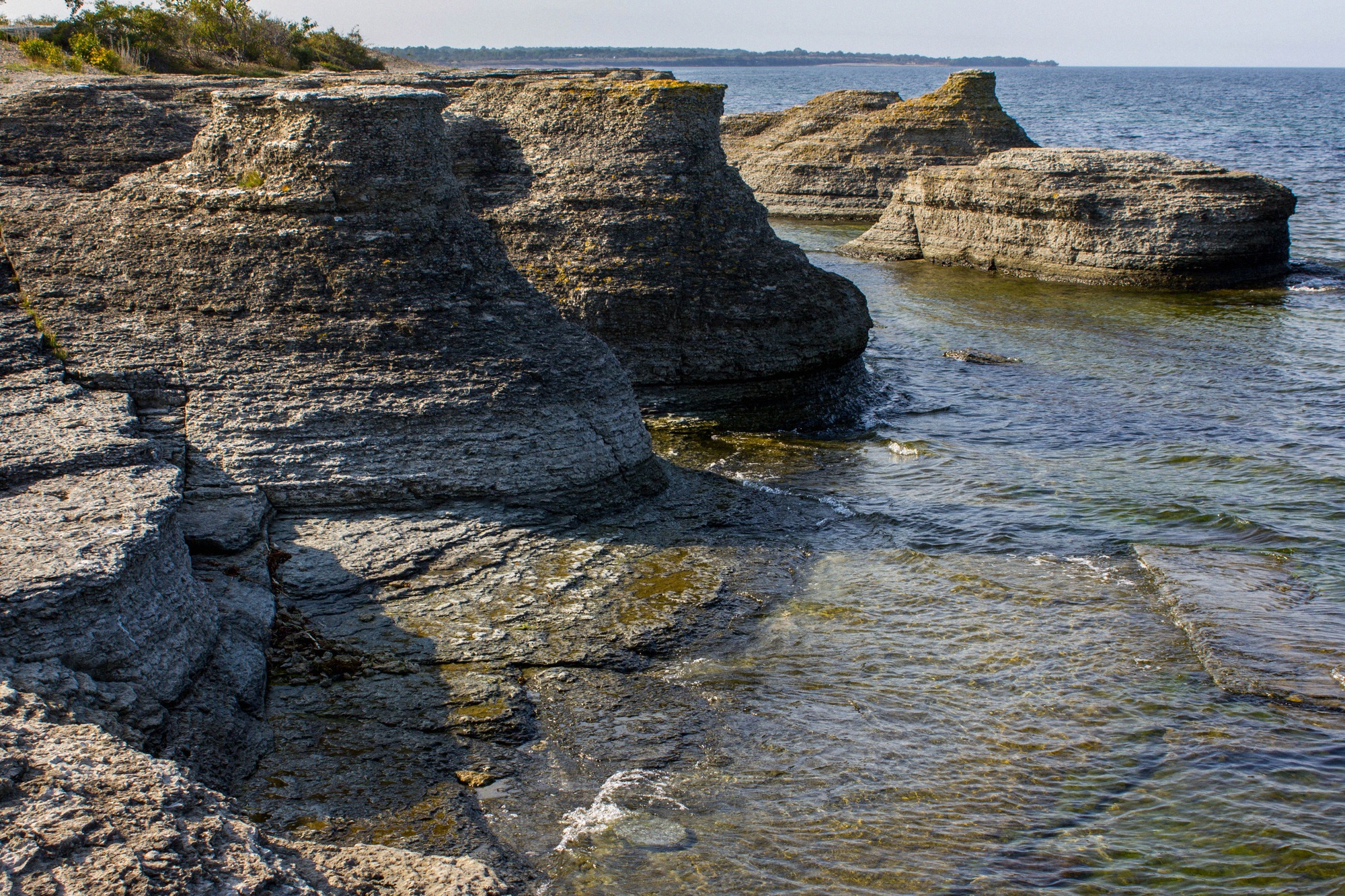
Öland's Limestone Sea Stacks by the Shore
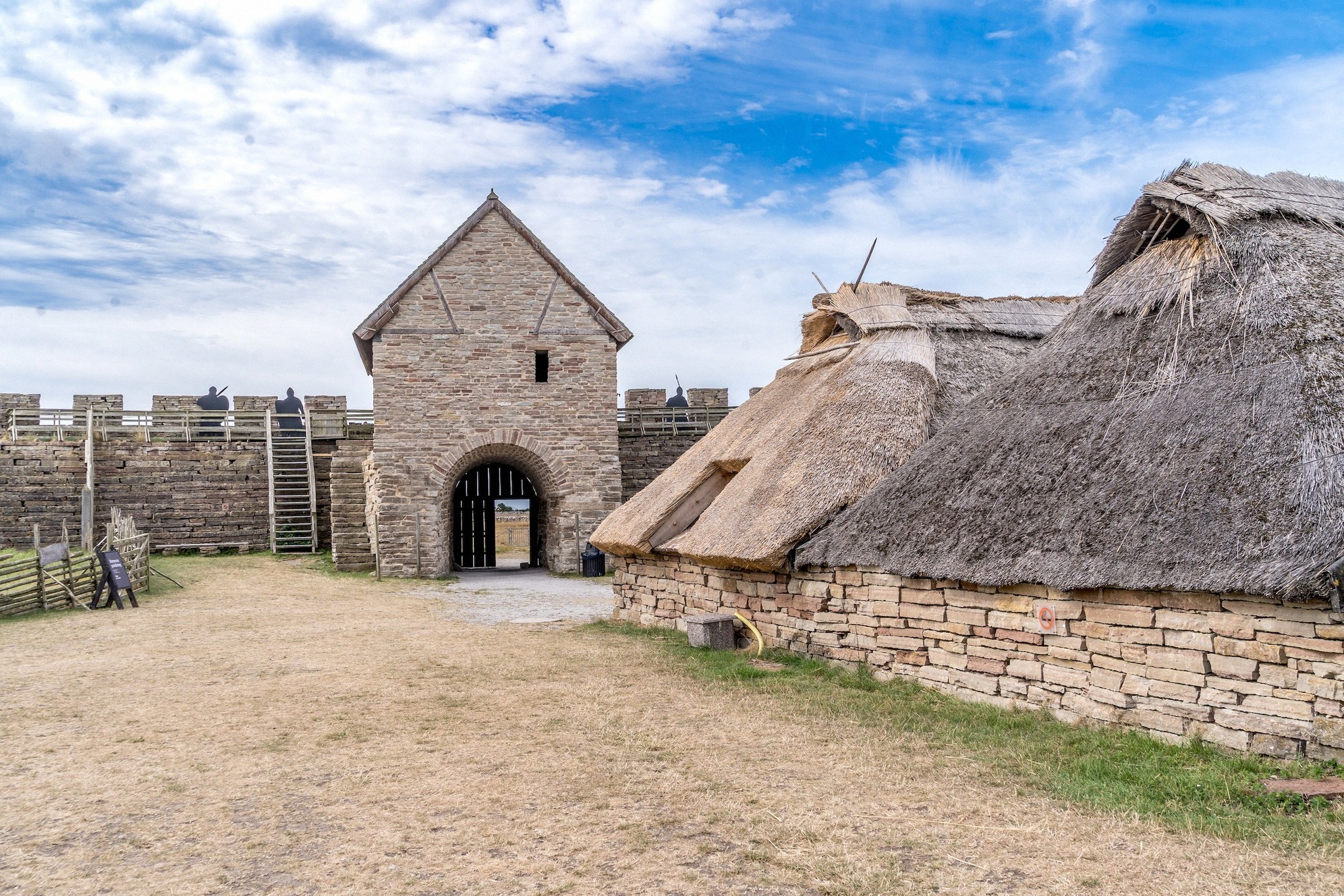
Öland's reconstructed ring fort
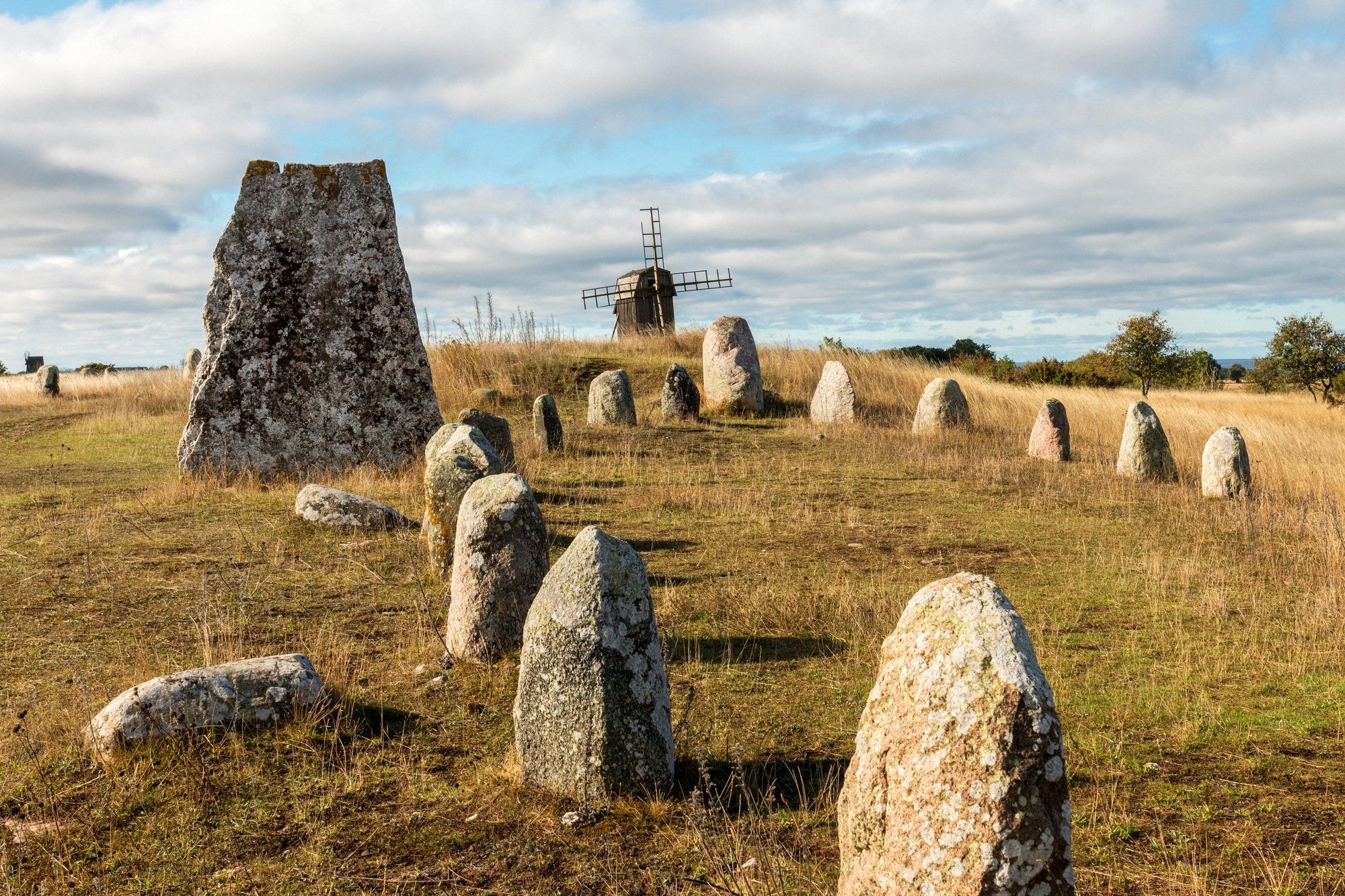
Stone ship setting & windmill in southern Öland
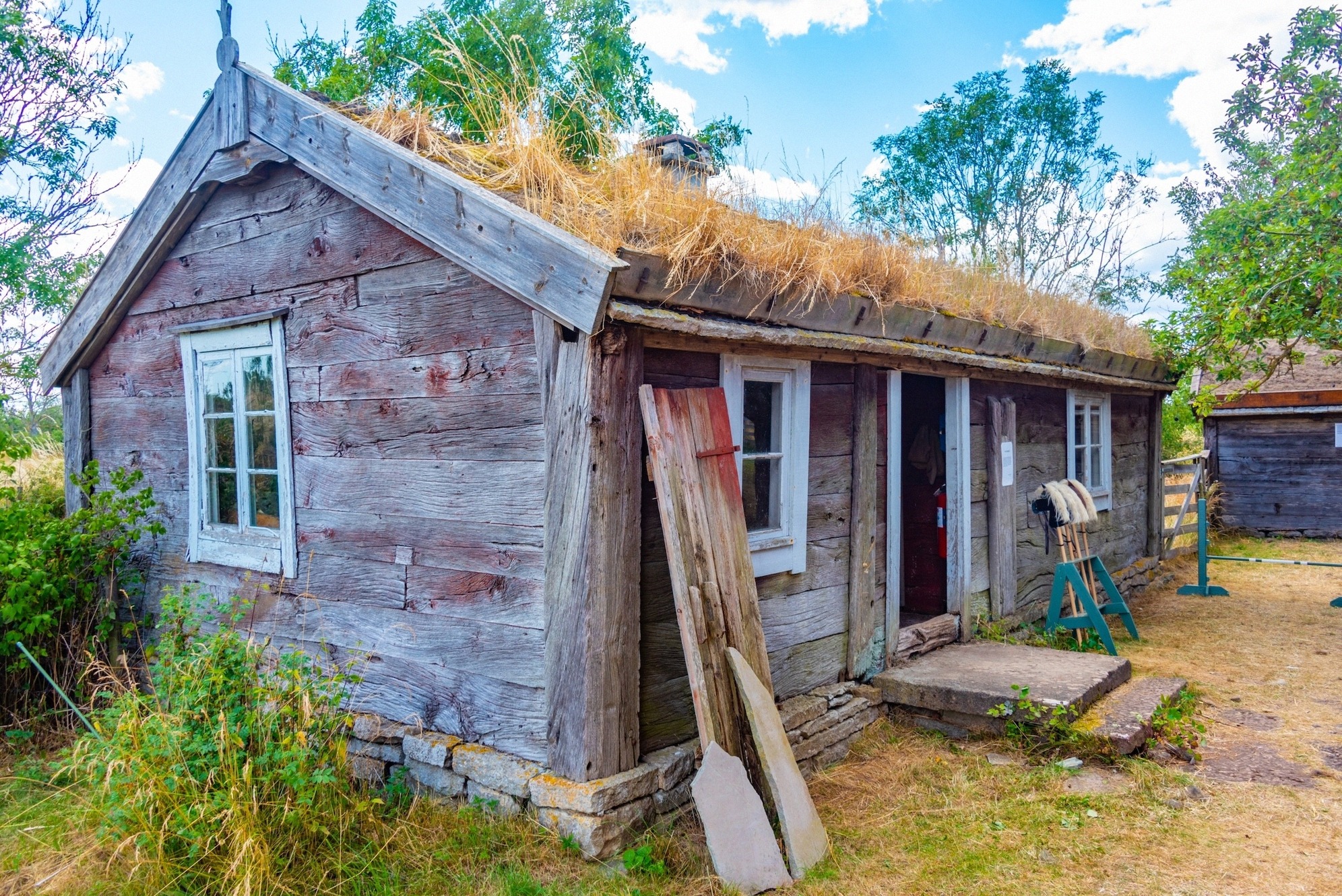
Open-air museum in a historic farming village
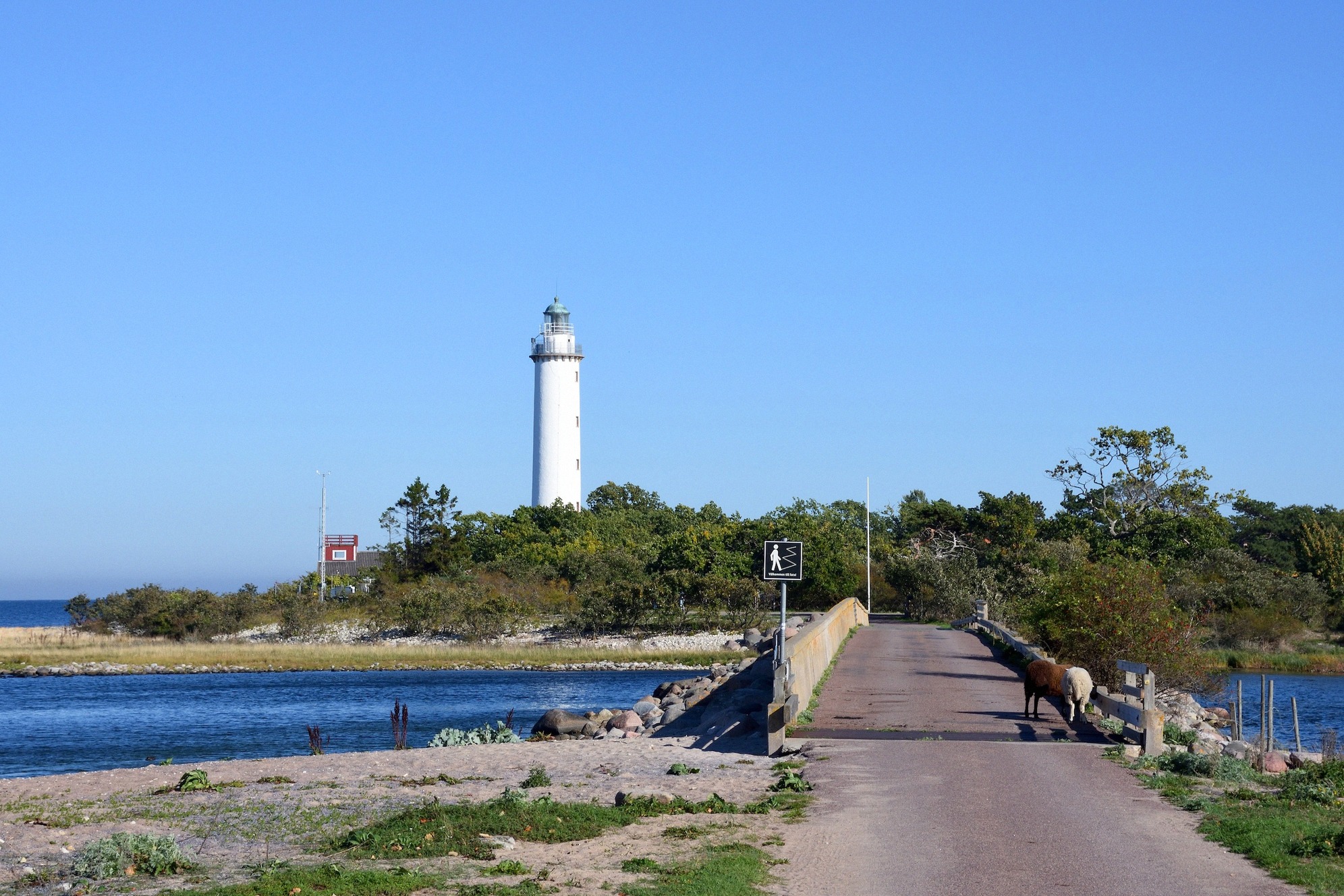
Lighthouse at Öland's northern tip
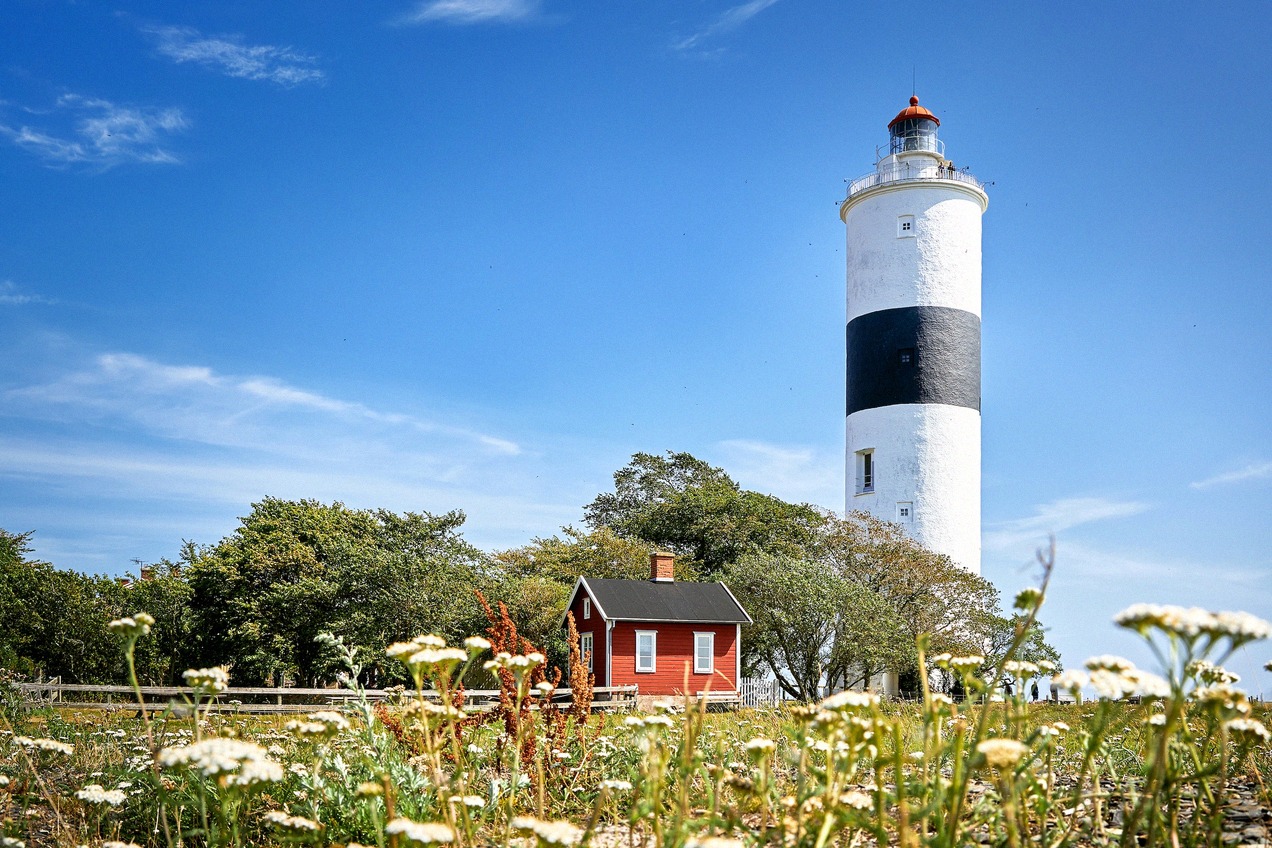
Sweden's tallest lighthouse
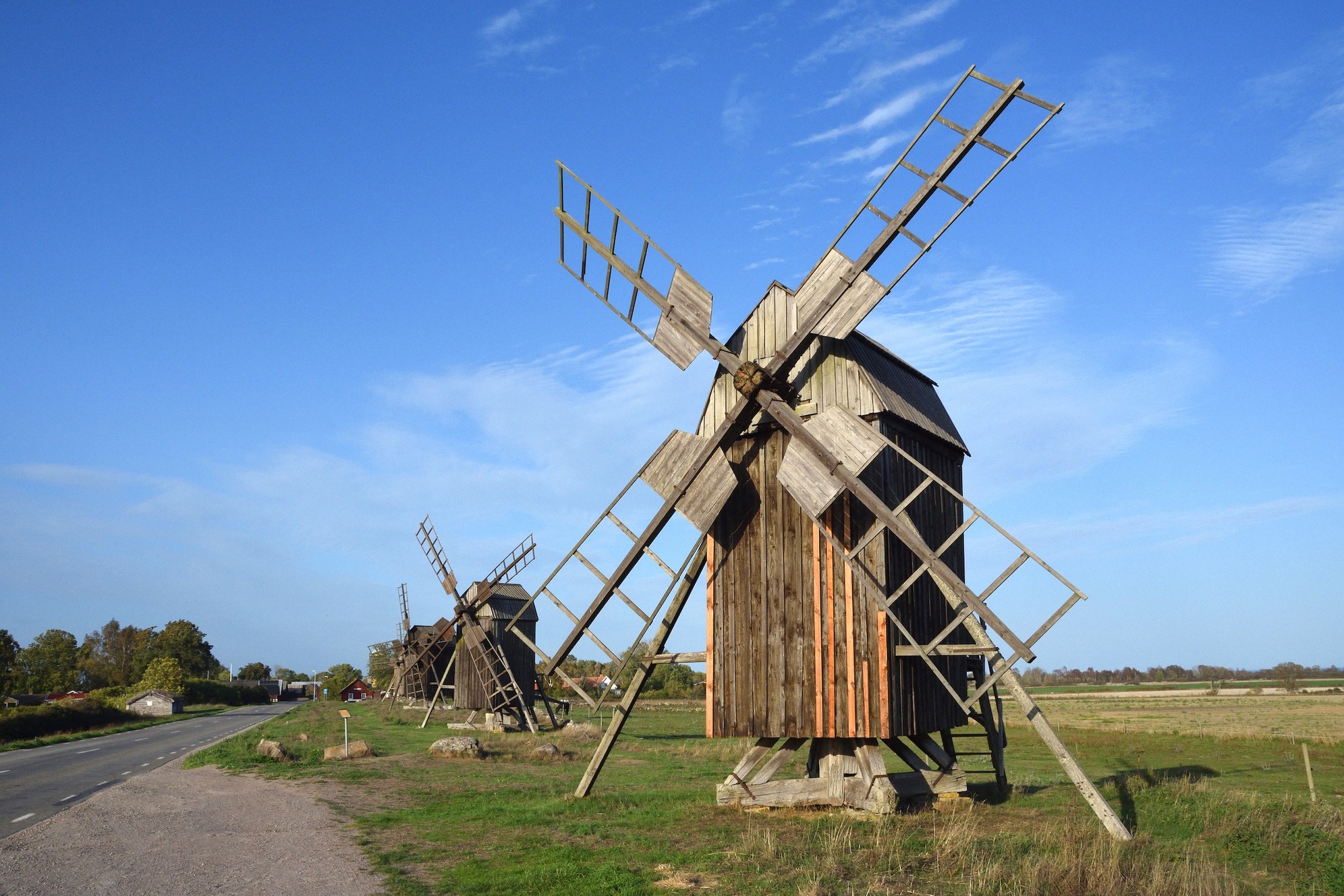
A row of post mills in eastern Öland
Öland's biggest family park with a water park
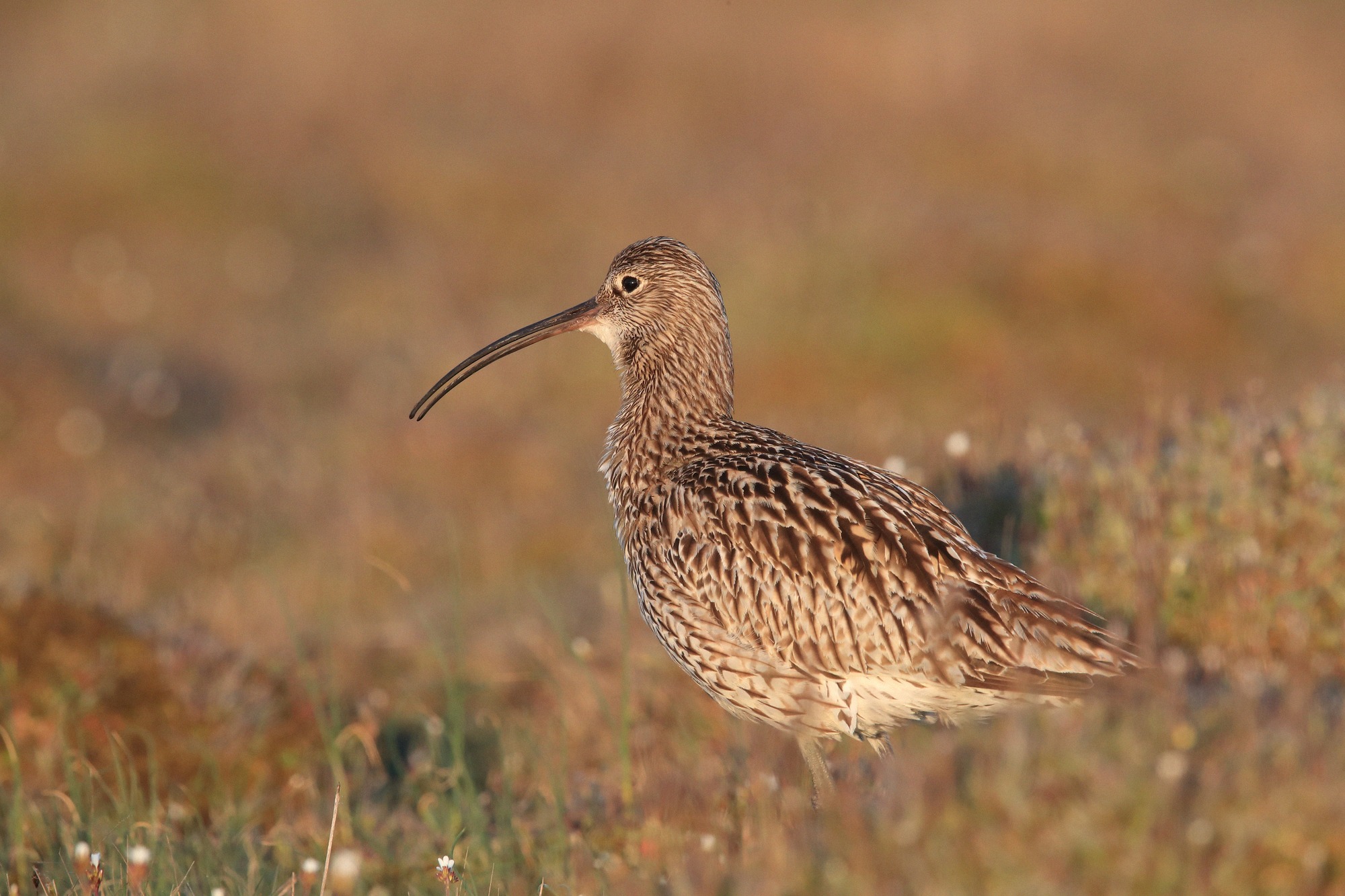
Öland's bird reserve at the southern tip
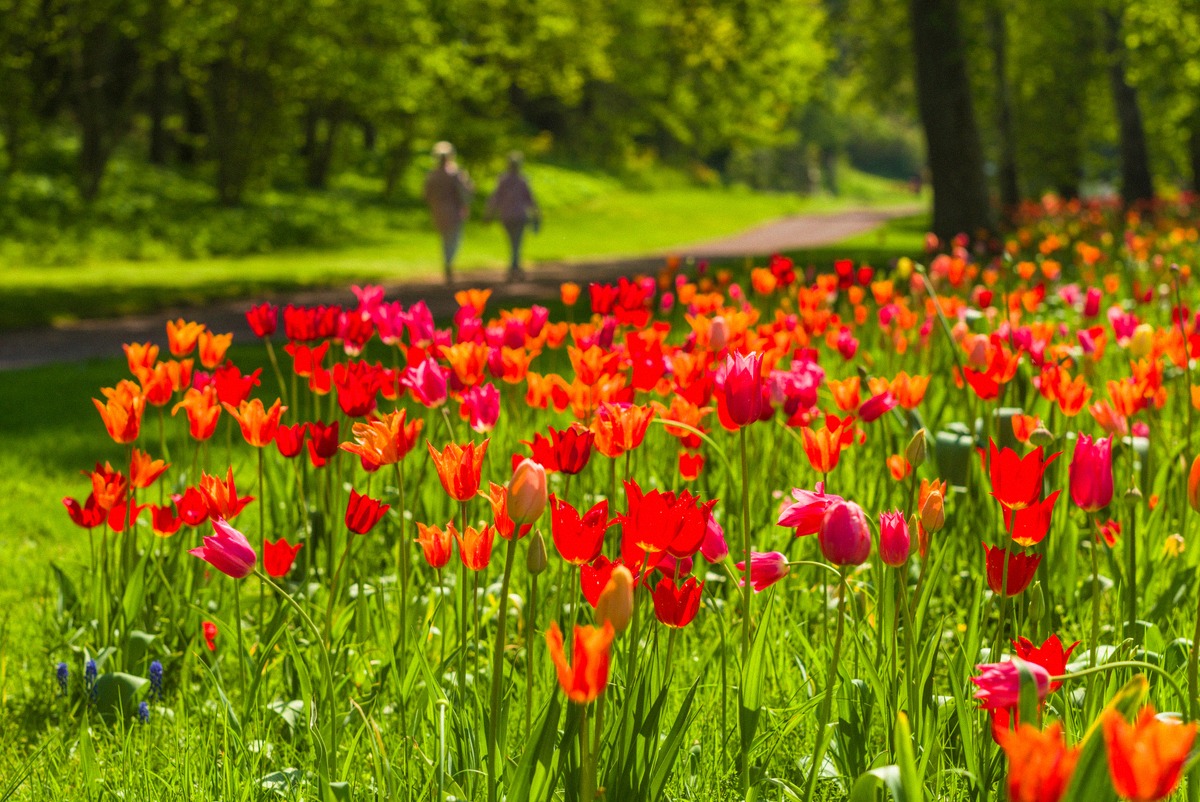
Summer residence of the royal family
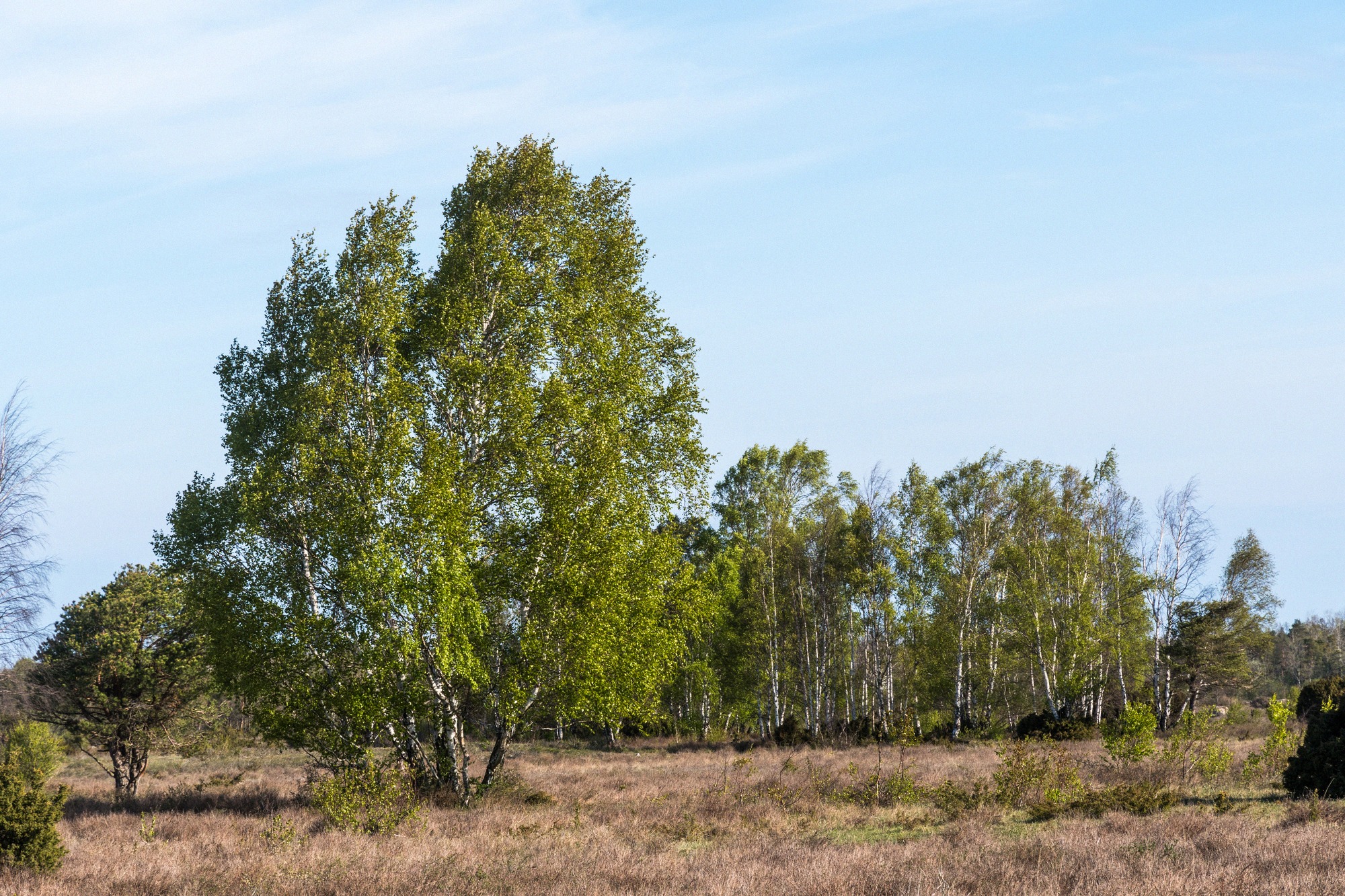
Öland's limestone steppe, a UNESCO World Heritage site
Enchanted Coastal Forest at Öland's Northern Tip
Art museum for Swedish glass art
No results found.
Öland wears its history openly across the landscape: a royal castle ruin above the Kalmar Strait (Kalmarsund), a reconstructed ring fort on the Alvar steppe, two lighthouses at the island's tips, and windmills standing as landmarks over the fields. This overview groups Öland's major attractions by theme, gives prices in SEK, and shows how the sights combine into day trips. You'll find beaches and pure nature destinations in their own sections.
Around the island's main town lie Öland's two best-known sights, close together. Borgholm Castle looms as a mighty stone silhouette above the town and is considered the most striking castle ruin in Scandinavia. The season runs from 28 March to 1 November; opening hours are daily 10:00-18:00 from May to August, shorter either side of that, and in 2026 the castle only closes on 13 and 14 July (for the Victoria Concert) and on 24 September. Adults pay 140 SEK in the low season and 150 SEK in the high season (22 June to 8 August), children under 5 go free, and card is the only accepted payment in many spots. The in-app audio guide, available in German, English and Swedish, is included in admission; a guided tour with a person costs extra.
A few minutes south, the gardens of Solliden Palace, the Swedish royal family's summer residence, open for the 2026 season from 7 May to 27 September. Only the sprawling park, with its Italian and English gardens, and an exhibition are accessible, not the palace building itself; tickets cost 150 SEK for adults and 70 SEK for children aged 7 to 18. Opening hours change through the season (11:00-18:00 at the height of summer), and park admission closes an hour before closing time. Both palaces are linked to each other and to central Borgholm by footpaths through the royal woodland, combined with a walk around town, that makes for a full day.
The south of the island tells the story of its earliest inhabitants. Eketorp Fortress is the only fully excavated and partially reconstructed ring fort on Öland, today an open-air museum with old livestock breeds, crafts and guided tours, set within the Southern Öland World Heritage landscape. Admission is tiered by season: in the summer season (20 June to 16 August, daily 10:00-17:00) adults pay 150 SEK, children aged 7 to 19 pay 100 SEK, and students and seniors pay 125 SEK; in spring adult admission is 75 SEK, in autumn 125 SEK, and children up to 6 always go free (as of 2026). In June and from 19 August onwards, the staffed fortress opens Wednesday to Sunday only, and it is closed on Midsummer's Eve (19 June); an autumn half-term programme has been announced, with dates still to follow. The grounds and ring wall remain free to visit outside opening hours.
Just a few kilometres away lies the Gettlinge burial ground (Gettlinge Gravfält), one of the island's largest cemeteries: more than 300 graves, a roughly 30-metre stone ship setting of 23 granite blocks, stone circles and a post windmill stretch along nearly two kilometres beside road 136, along the edge of the land with sweeping views over the Kalmar Strait. Gettlinge is the only place in Sweden where a windmill and a stone ship setting stand side by side; the site was used for over 2,000 years, from the Bronze Age into early Christian times. The visit is free and possible all year round, both sights combine well into a loop around the island's south.
Slender landmarks mark Öland's two tips. On the southern point stands Långe Jan, at 42 metres Sweden's tallest lighthouse, first lit in 1785 and still active today. 197 steps lead to the platform above the Ottenby bird reserve; the season runs from early April to late October. The climb costs 50 SEK for adults and 30 SEK for children, with proceeds going to Ottenby Bird Observatory; the adjoining Naturum Ottenby visitor centre is free. Its northern counterpart is Långe Erik, the 32-metre white lighthouse from 1845 on the small islet of Stora grundet, reached via a causeway. It has been open to climb via 138 steps since 1999, with guided tours and a small souvenir shop in summer; according to secondary sources the season runs roughly from mid-May to mid-September. The grounds and walk are free, and only the tower climb is chargeable, prices and exact 2026 times are not officially confirmed, so it's best to check langeerik.se in advance.
A third island landmark worth the detour is the windmill row of Lerkaka Väderkvarnar in the east: five historic post windmills along road 925, one of them open to visitors as a working mill, plus an 11th-century rune stone opposite. The site is free to visit around the clock; the rest stop's café and toilets only run in summer.
The seven sights are spread across the whole island: Borgholm Castle and Solliden sit centrally on the west coast, Långe Erik marks the northern tip, and Eketorp, Gettlinge and Långe Jan lie in the south. Tackling north and south on separate days saves travel time and takes in the full range, for how to sequence the legs of your trip sensibly, see Trip Planning. Öland's roughly 350 surviving windmills and its medieval churches shape the island's character just as much as its castles and lighthouses.