
Byrums Raukar
Öland's Limestone Sea Stacks by the Shore
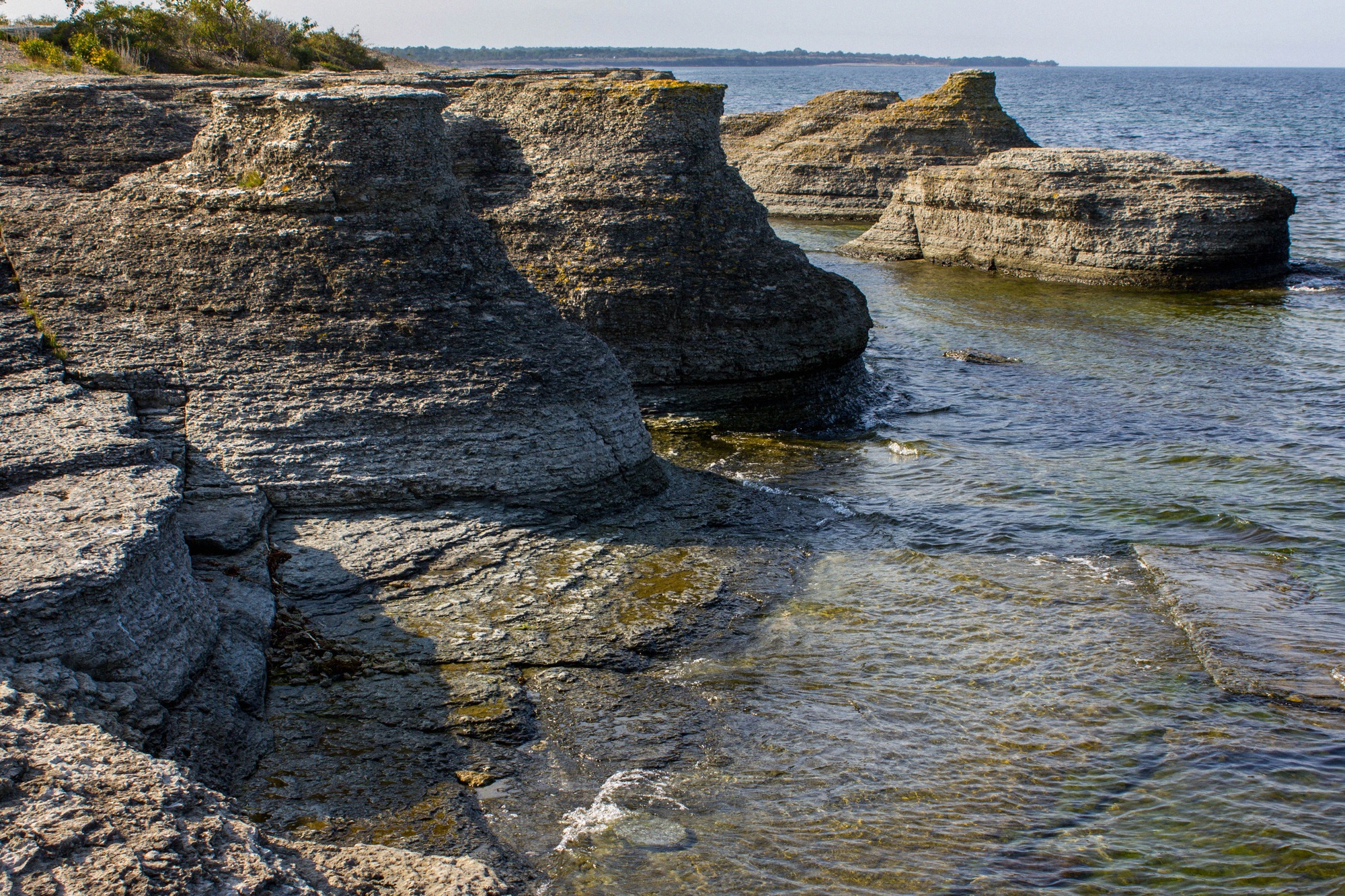
Around 120 sea-sculpted limestone stacks on Öland's north-west coast, the island's only and best-developed raukar field, a nature reserve since 1935.
Contents
On Öland's north-west coast near Byrum stands the island's only rauk field (raukar, limestone sea stacks): around 120 limestone pillars shaped by the sea, rising from the rock like stone sentinels on the beach. It's the best-developed rauk area on Öland and has been protected as a nature reserve since 1935.
What to expect
The pillars are spread along roughly 600 m of beach, covering about 3 hectares. In the southern part they reach up to 4 m, while in the north they stay around 1 m. If you know Gotland's famous raukar, you'll find these smaller but just as striking - Öland has no comparable field anywhere else.
The ground here is rich in fossils: the limestone contains fossilised orthoceras and remains of trilobites. Lovely to look at, but please leave them where they are, collecting or chipping off fossils is prohibited within the reserve.
How the raukar formed
The limestone formed more than 490 million years ago in a warm, shallow sea. Over millions of years, the surf washed away the softer rock from these layers and left only the harder sections standing, shaping the sculptural pillars. The area was declared a nature reserve in 1935 to protect Öland's best-developed rauk field and this stretch of geological landscape.
Getting there and parking
The reserve lies around 8 km north-east of Löttorp. Approach via Löttorp (about 8 km) or via Böda (about 6 km), then follow the signs for "Raukar". Car parks are located south of the rauk area and in the north at Byrums Sandvik, where the municipality of Borgholm runs a public toilet for visitors.
- North of Byrums Sandvik there's space for up to 18 motorhomes, daytime use only.
- For class II vehicles and trailers, parking is prohibited between 23:00 and 4:00.
- A short path leads from the car park straight down to the stony beach with the stacks.
For an overview of getting to Öland, see the getting there guide; for the best season to visit, check the best time to visit overview.
Practical tips for your visit
Allow 30 to 60 minutes, enough for a photo stop on a drive along the west coast. The beach is stony, so sturdy shoes are a good idea. There's little shade, so bring sun and wind protection on hot days. The raukar look most impressive in warm evening light, ideally around an hour before sunset.
Within the reserve, the Right of Public Access (allemansrätten) applies with restrictions: disturbing the ground, blasting, building paths and removing beach gravel are all prohibited. Dogs must be kept on a lead; between 1 March and 20 August, stricter supervision rules apply nationwide.
Combine with nearby sights
Byrums Raukar lies in the heart of northern Öland and combines well with other nearby destinations:
- Böda Sand, one of the island's finest sandy beaches, just a few kilometres away.
- Trollskogen, the "Troll Forest" at the northern tip, with wind-bent pines.
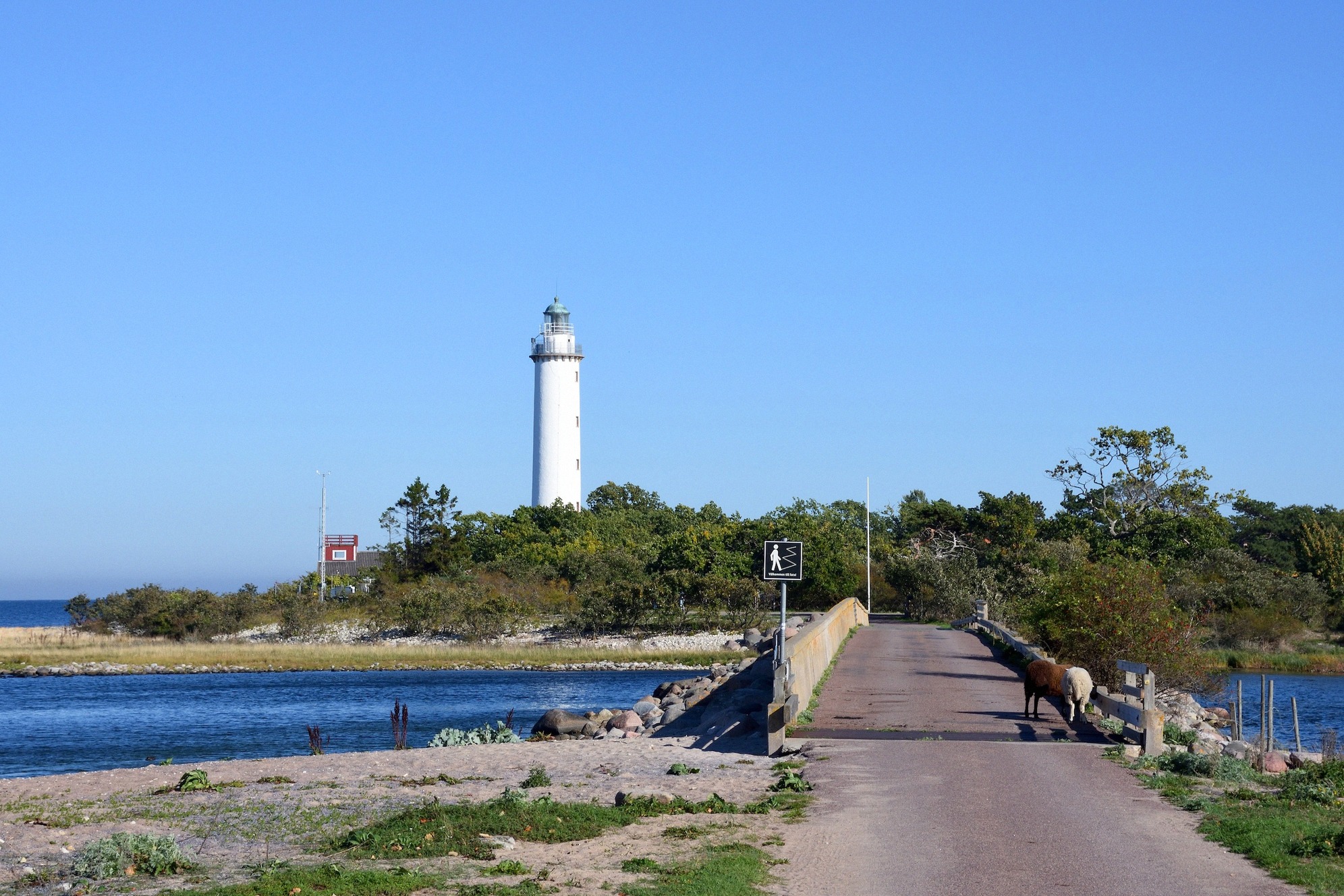
- Långe Erik - Öland's northern lighthouse.
- Immediately to the north lies the Byrums Sandvik bathing beach; nearby you'll also find Neptuni åkrar and the Källa ödekyrka church ruin.
Looking for more nature, find further tips in the nature guide; travellers with a dog should check Öland with dogs.
Frequently asked questions
How much does it cost to visit Byrums Raukar? +
How many raukar are there? +
Can you take fossils home? +
Are dogs allowed? +
When is the best time to visit? +
Nearby
Böda Sand
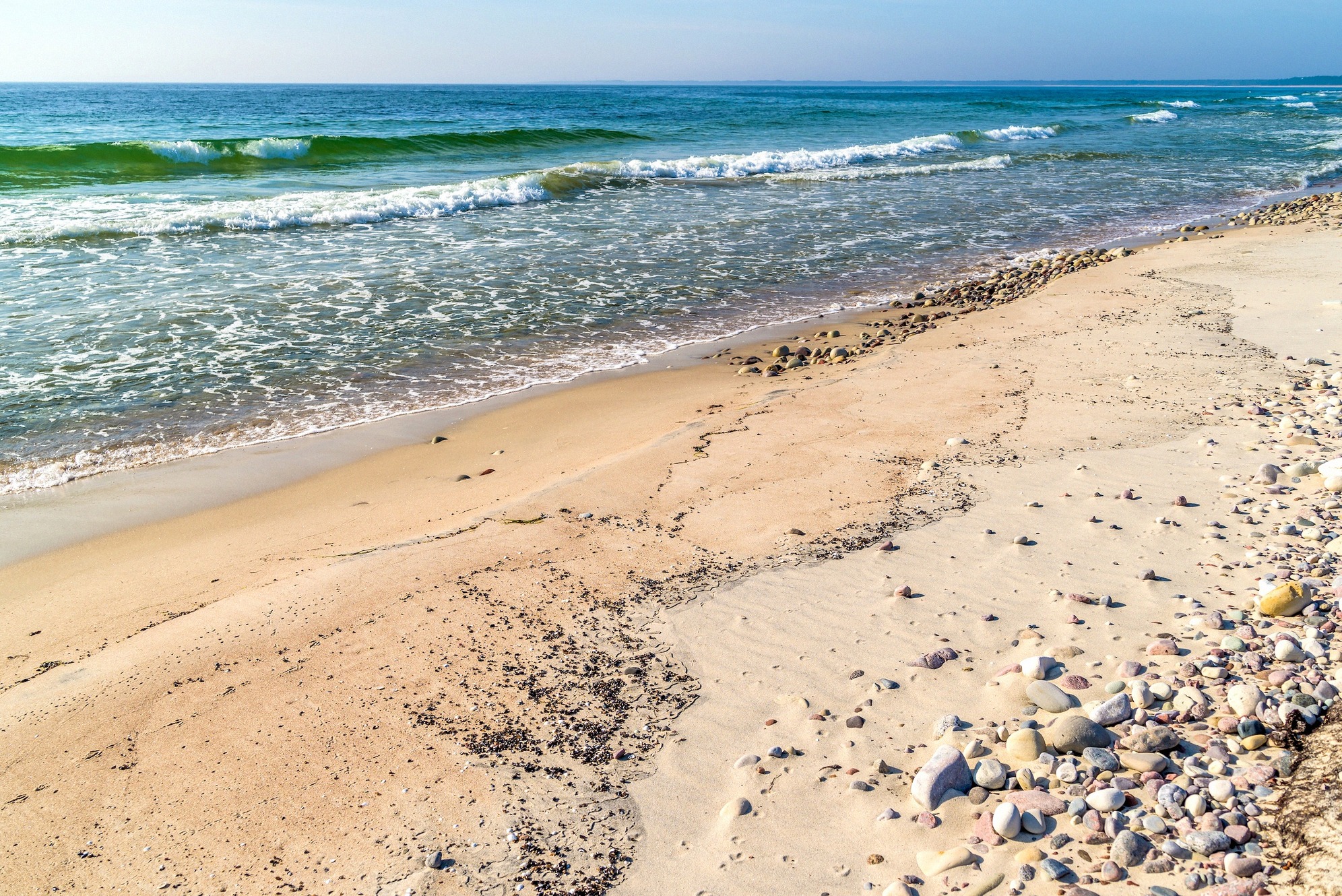
About 20km of fine sand on Öland's north-east coast, backed by tall dunes and pine forest. Shallow water in the nature reserve, plus Sweden's largest campsite.
Lyckesand
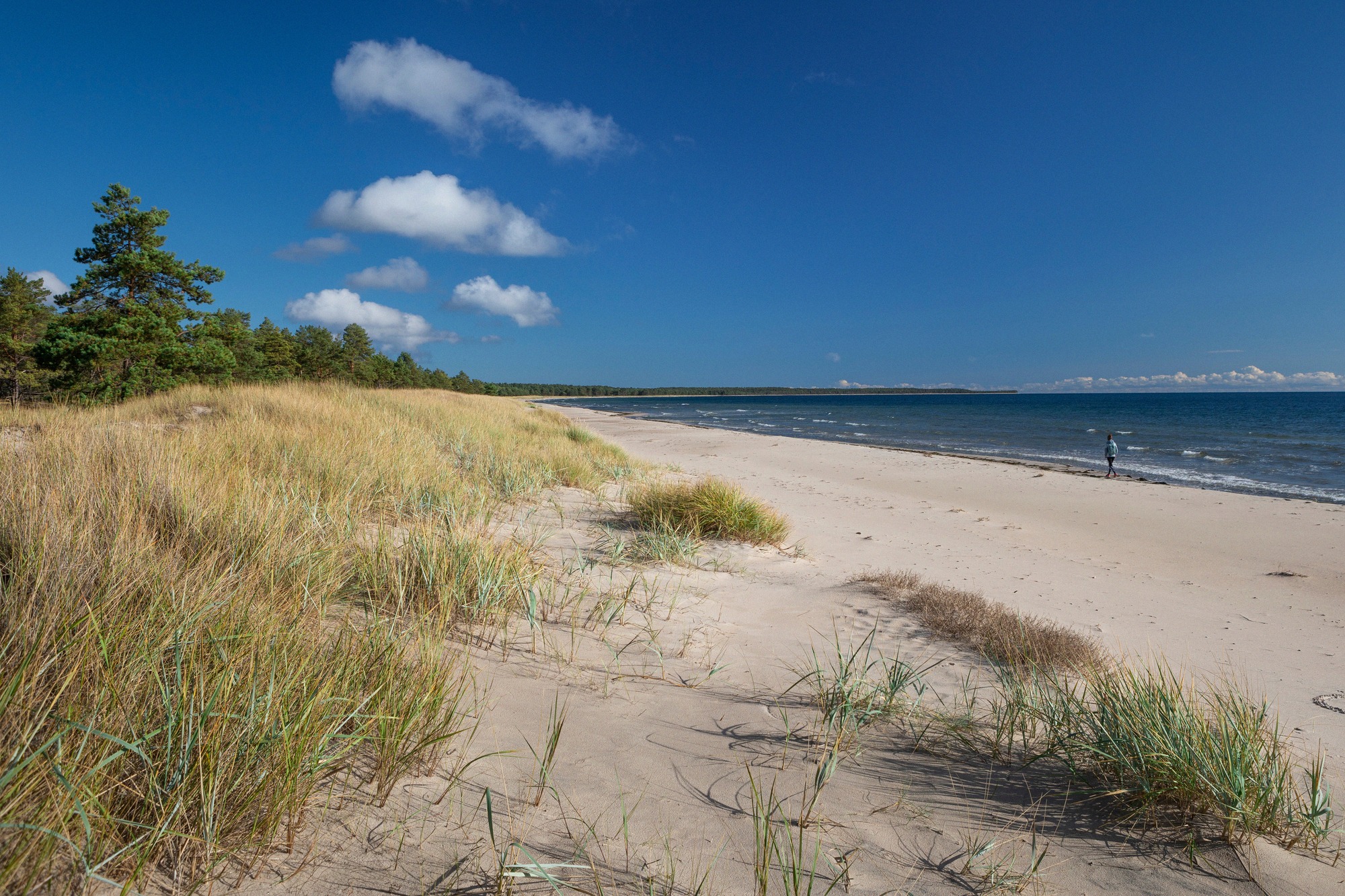
Fine-sand beach on the Bödabukten bay north of Böda, with gently shelving water ideal for families, and a semi-official naturist section in the nature reserve.
Trollskogen
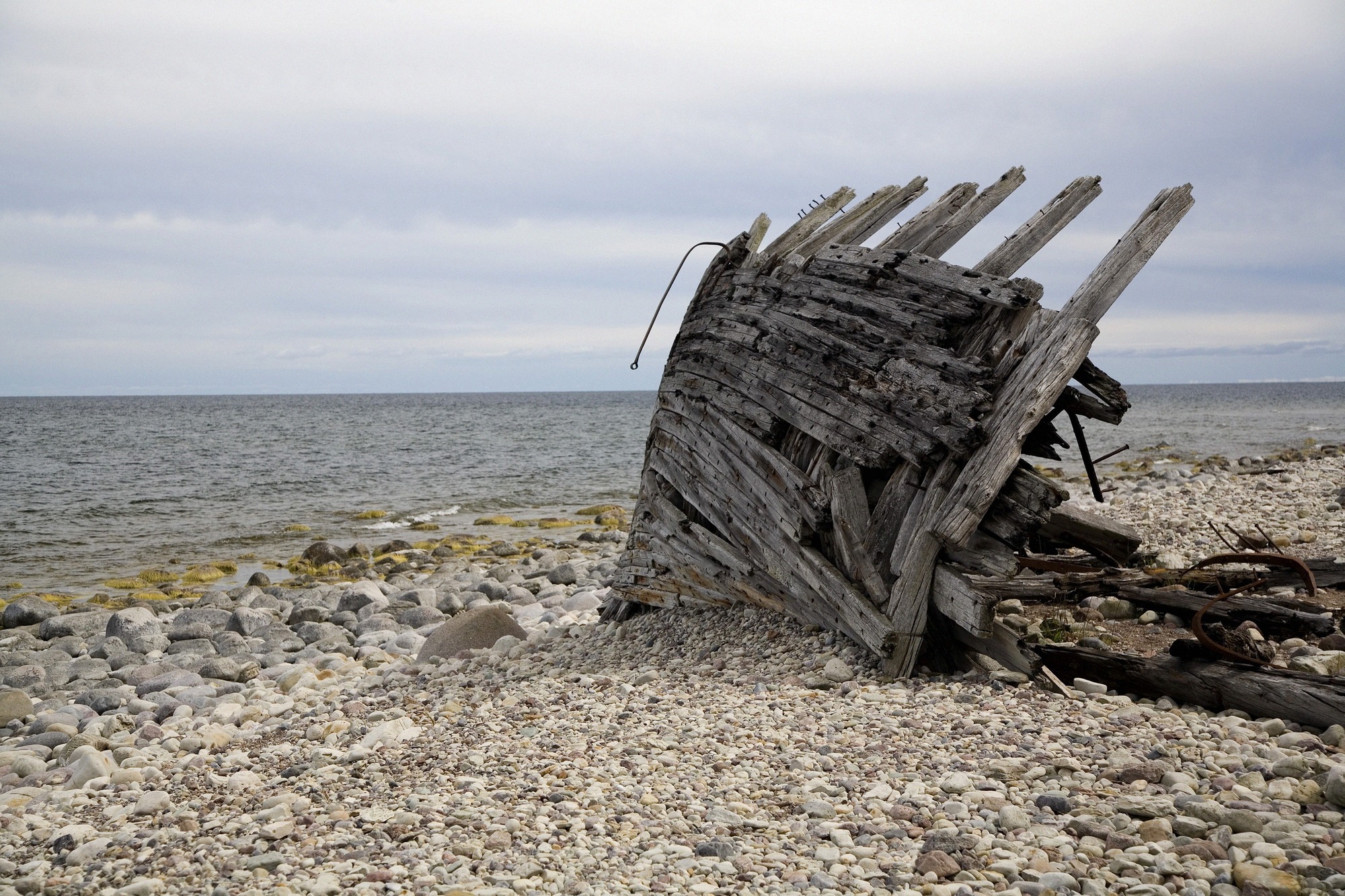
The "Troll Forest" at Öland's northern tip is a nature reserve of wind-bent pines, ancient oaks and the wreck of the Swiks. Four trails, a nature centre, free admission.
Långe Erik
The white 1845 lighthouse at Öland's northern tip (Ölands norra udde), reached via a causeway. Tower climb in summer, free grounds, great birdwatching.