Långe Erik
Lighthouse at Öland's northern tip
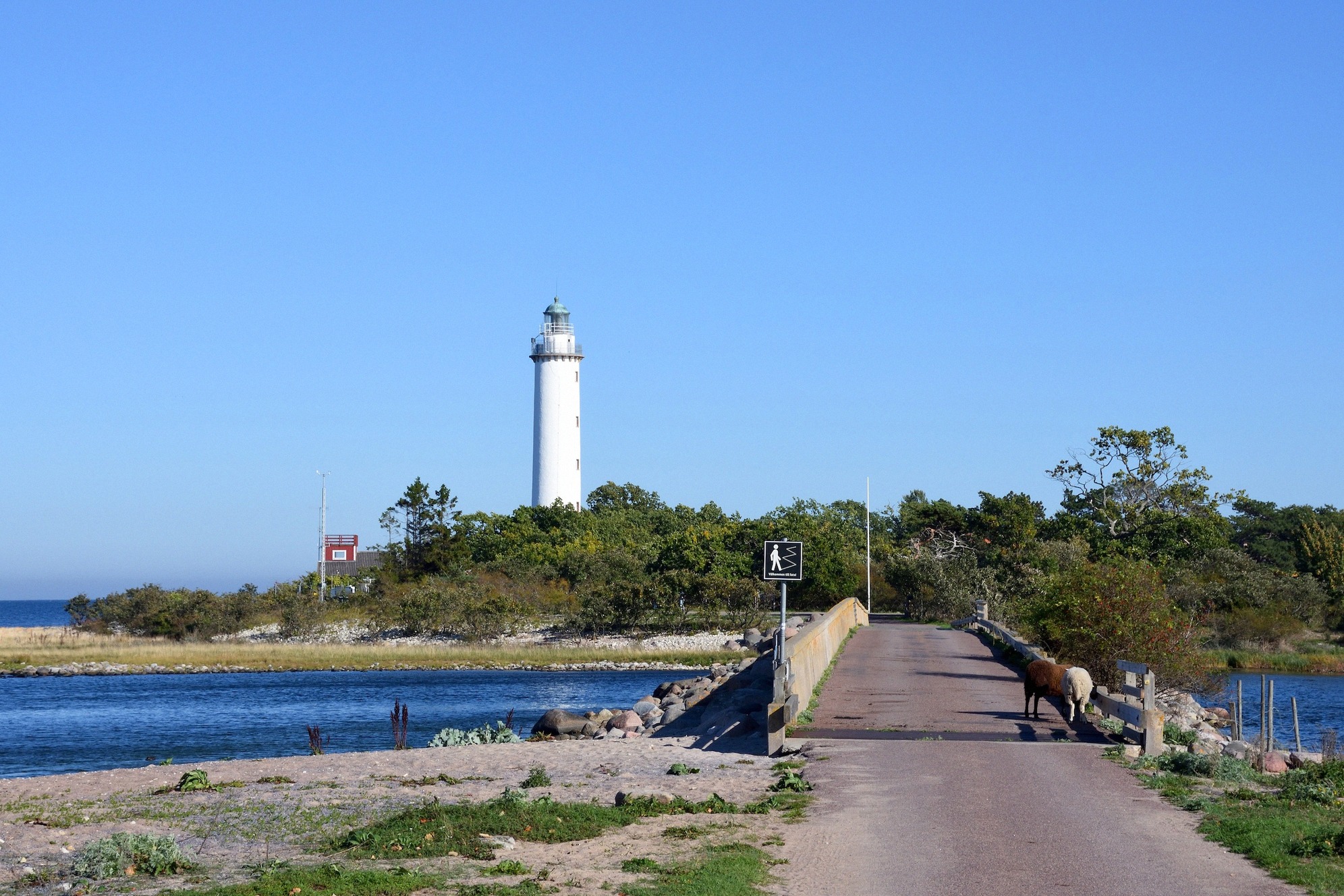
The white 1845 lighthouse at Öland's northern tip (Ölands norra udde), reached via a causeway. Tower climb in summer, free grounds, great birdwatching.
Contents
Långe Erik is the lighthouse at Öland's northern tip, known in Swedish as "Ölands norra udde", and the northern counterpart to the more famous Långe Jan in the south of the island. The whitewashed tower was built between 1844 and 1845 from Öland limestone and first shone on 1 November 1845. At 32 metres, it's noticeably squatter than its taller, more slender twin.
Tower and island
Långe Erik doesn't stand on the mainland but on the small offshore island of Stora Grundet (formerly Oxelholmen). Since 1965 it has been reachable via a causeway with a bridge; before that, the tower was accessible only by boat. The building has been a protected listed building (byggnadsminne) since the 1930s and is operated by the Swedish Maritime Administration (Sjöfartsverket); the surrounding grounds are managed by the Swedish National Property Board (Statens fastighetsverk).
Climbing to the platform
Since 1999, the association "Fyrvaktarns Dotter" has run a visitor operation at the tower, with a tower climb, guided tours and a small souvenir shop. In summer, a spiral staircase of 138 steps leads up to the balcony at around 28 metres, with views across the tip of the island and the open Baltic Sea.
- Tickets: in the building next to the tower, summer season only
- Steps: 138 up to the viewing platform, fixed doors, narrow spiral staircase
- Guided tours: the operator runs guided tours (visningar); fixed times aren't publicly documented
If you skip the tower, you can still explore the grounds for free at any time, the walk along the causeway and by the water is worthwhile even without paying admission.
Birdwatching paradise at the northern tip
The northern tip around the car park before the bridge is one of Öland's best-known birdwatching spots. The best time is the spring migration from April to June, though the site is interesting year-round. Rare vagrants from the east turn up here regularly in autumn, in October 2019, for example, Sweden's first yellow-browed warbler was spotted at the northern tip. More in our birdwatching guide.
Visiting & practical info
- Getting there: The tower stands at the very northern tip, north of Byxelkrok. There's a car park right before the bridge to the lighthouse island, at Holmvägen 99, 387 75 Byxelkrok.
- Duration: 30 to 60 minutes is enough for the tower and a walk.
- Best time: summer for the climb, spring for birdwatching.
- Combine with: right next door is the enchanted forest Trollskogen with its wind-bent pines, the two sights combine well into a trip to the northern tip. Further afield, Byrums Raukar has the limestone sea stacks of the west coast. Practical tips are gathered in our trip planning guide.
Exact opening hours and prices for the 2026 season are hard to verify officially, check langeerik.se before your visit.
Frequently asked questions
Can you climb Långe Erik? +
What does a visit cost? +
When is the best time to visit? +
How do you get to the lighthouse? +
Nearby
Trollskogen
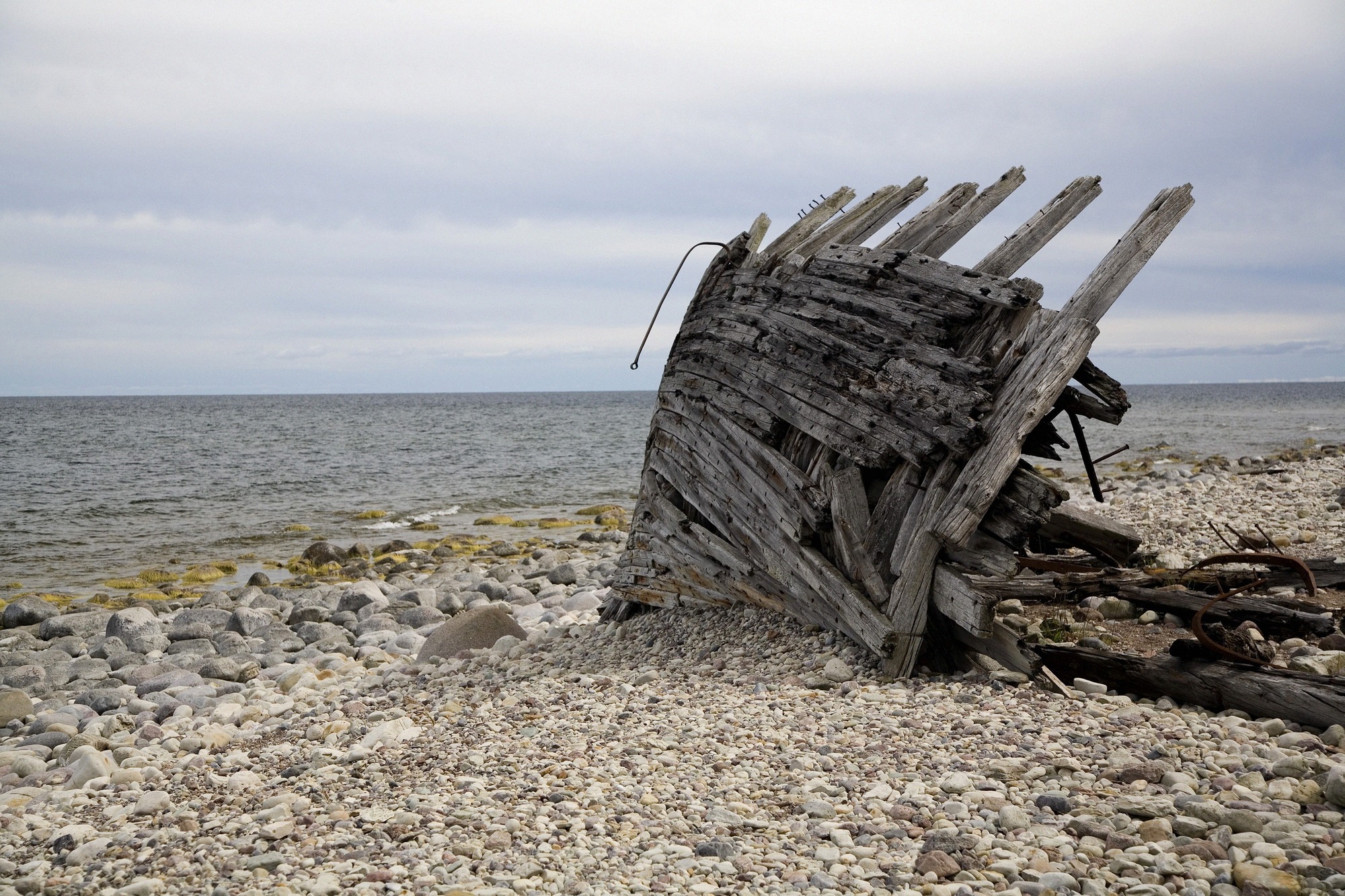
The "Troll Forest" at Öland's northern tip is a nature reserve of wind-bent pines, ancient oaks and the wreck of the Swiks. Four trails, a nature centre, free admission.
Lyckesand
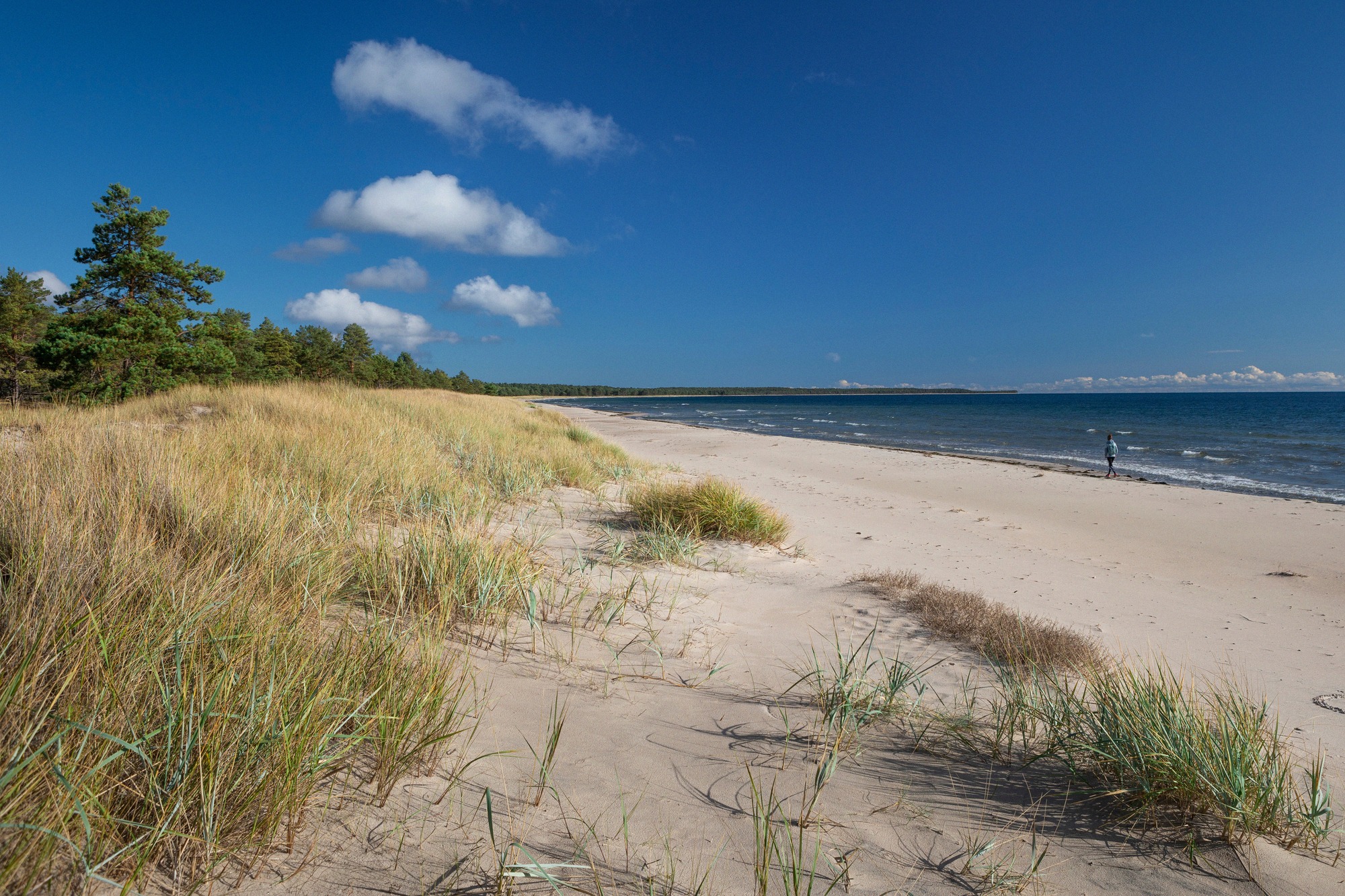
Fine-sand beach on the Bödabukten bay north of Böda, with gently shelving water ideal for families, and a semi-official naturist section in the nature reserve.
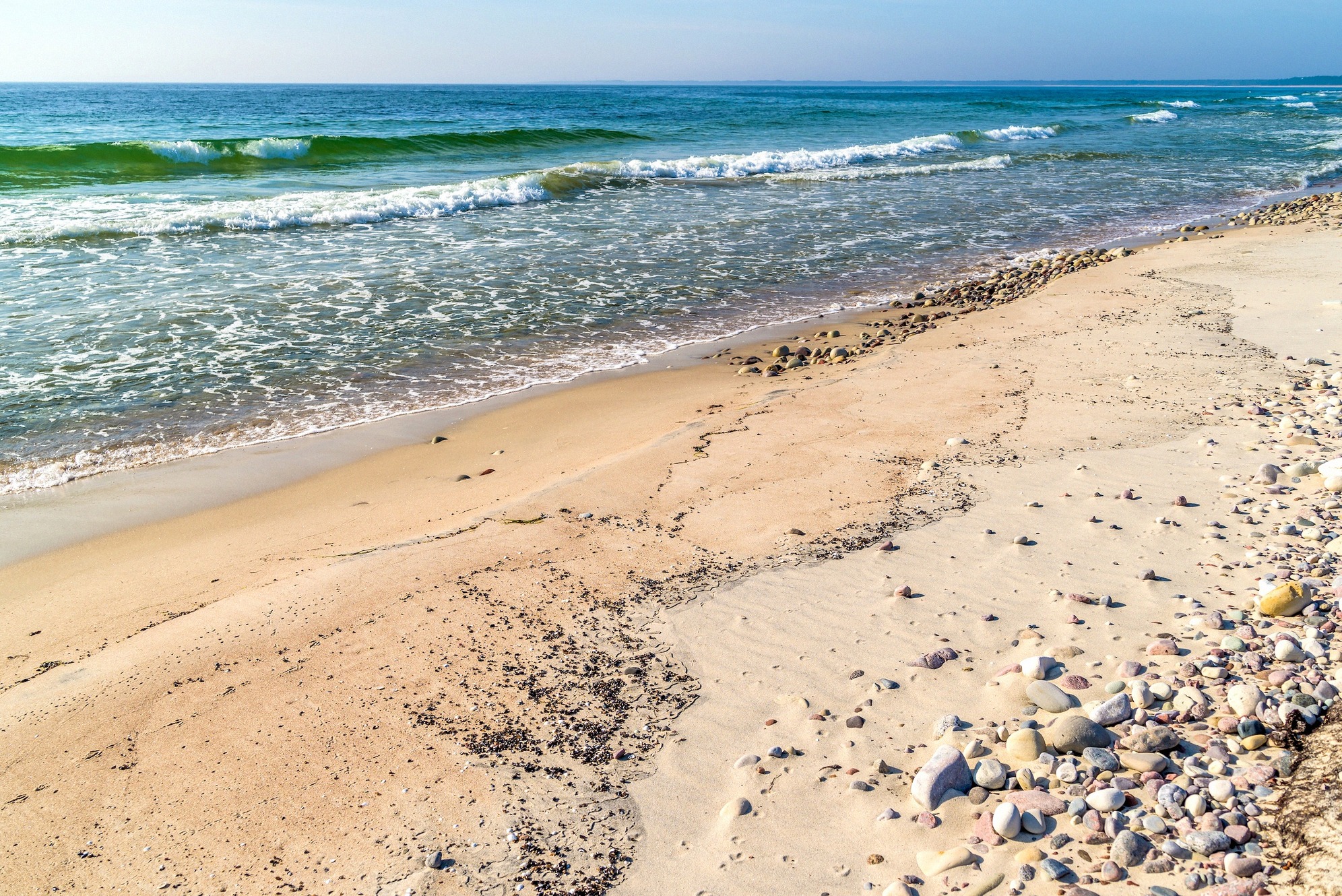
Böda Sand
About 20km of fine sand on Öland's north-east coast, backed by tall dunes and pine forest. Shallow water in the nature reserve, plus Sweden's largest campsite.
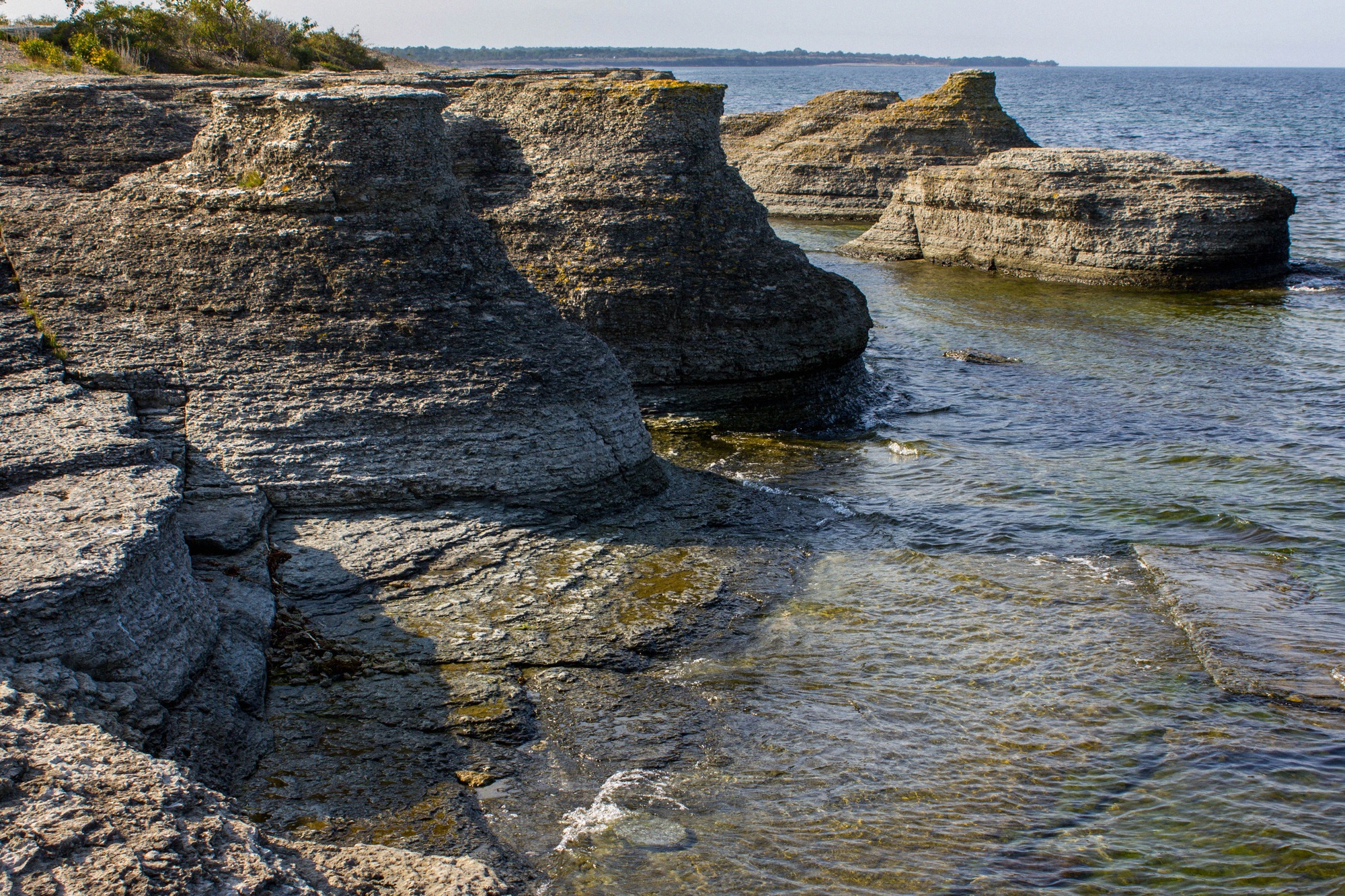
Byrums Raukar
Around 120 sea-sculpted limestone stacks on Öland's north-west coast, the island's only and best-developed raukar field, a nature reserve since 1935.